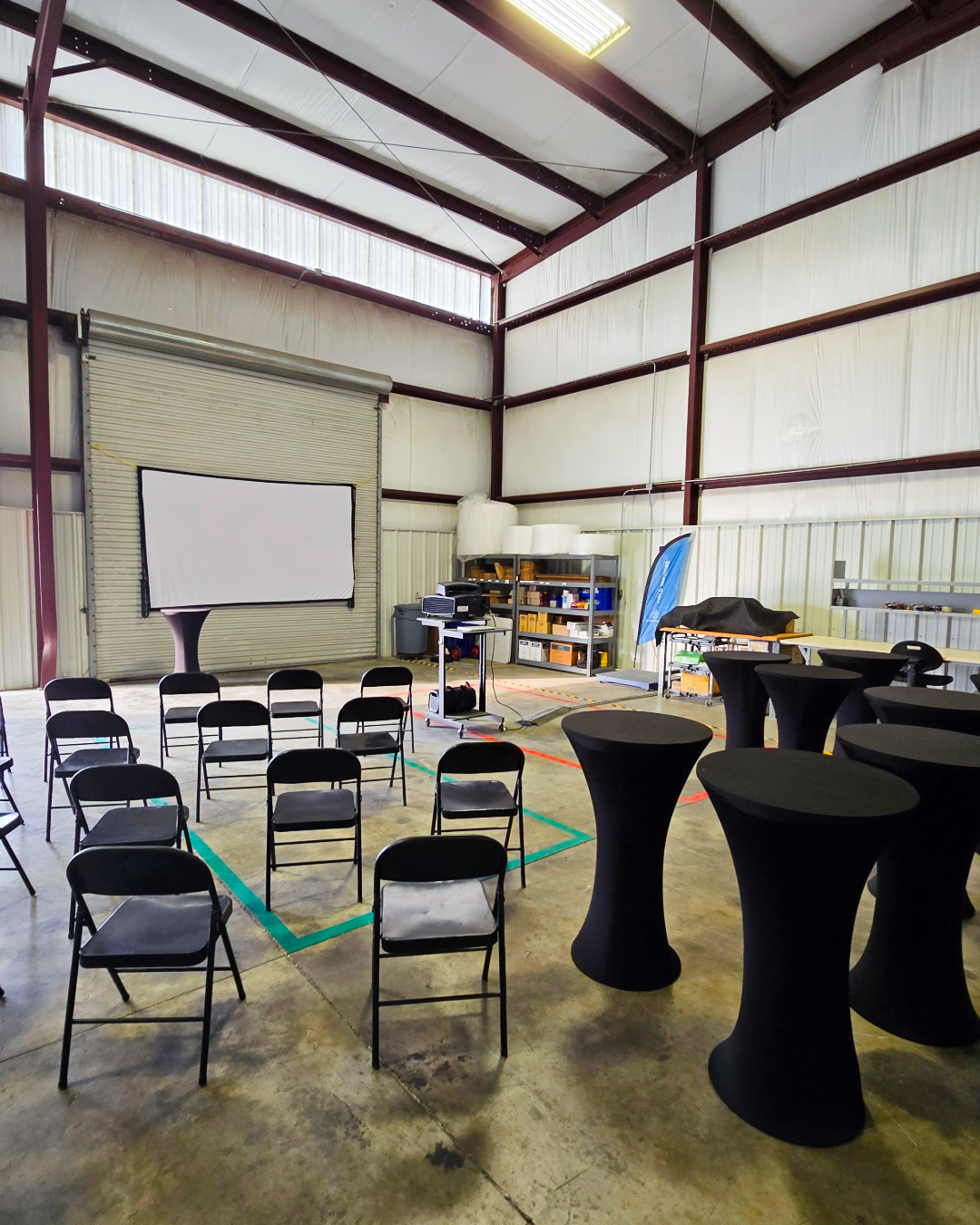
LDPE Plant Improvement Conference 2026

LDPE PIC 2026

News    ⋅     LDPE PIC 2026    ⋅     18 June, 2026

Highlights from the 19th LDPE Plant Improvement Conference

15th – 17th June 2026 | Shanghai

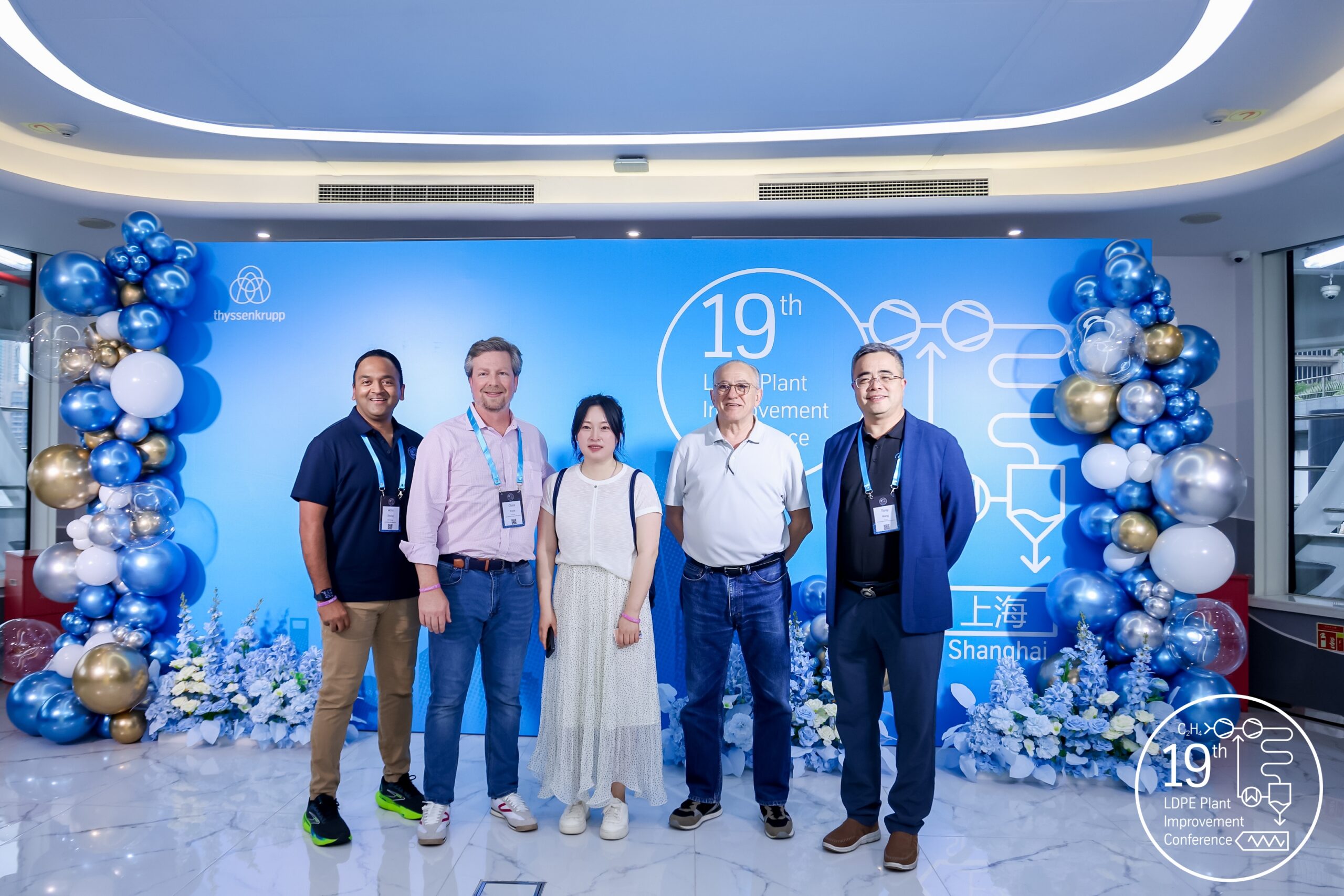
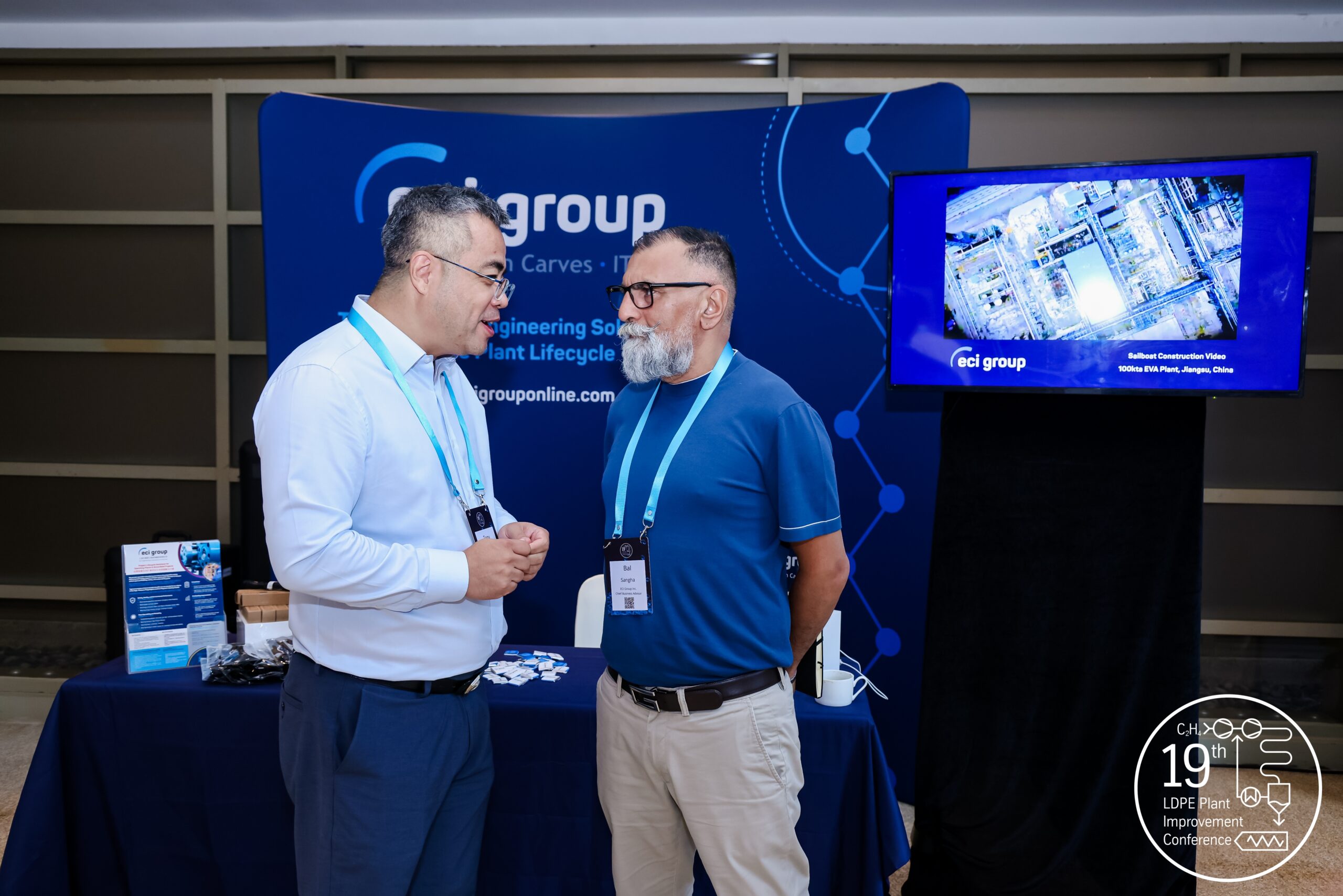
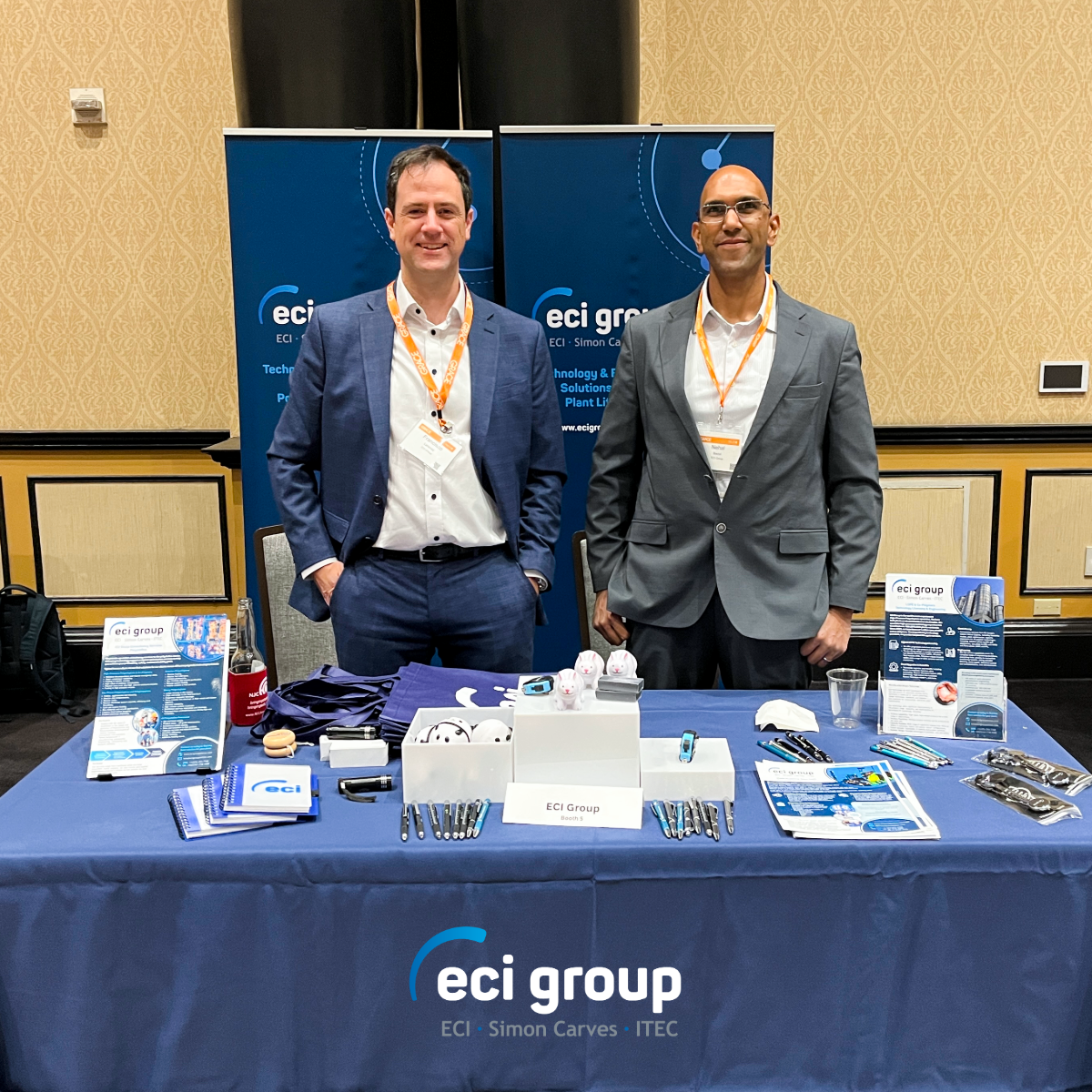
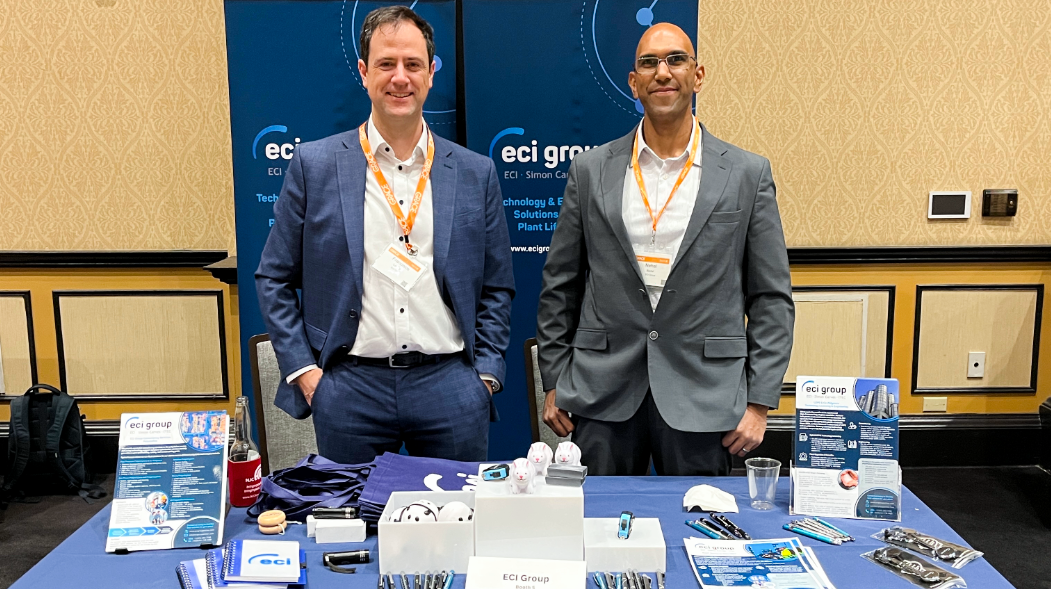
ECI Group was delighted to return as a Platinum Sponsor of the 19th LDPE Plant Improvement Conference, hosted by Uhde High Pressure Technologies in Shanghai.

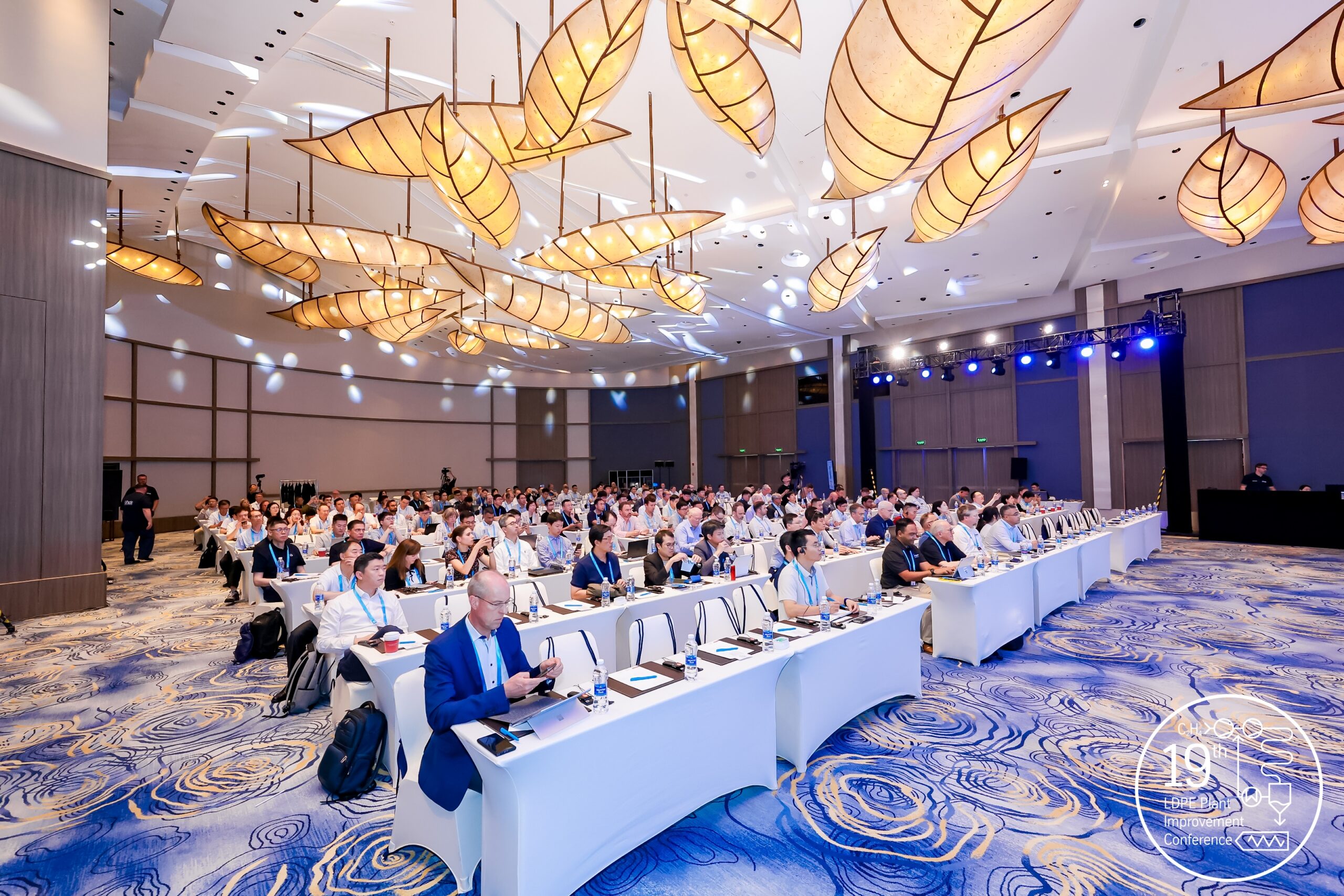
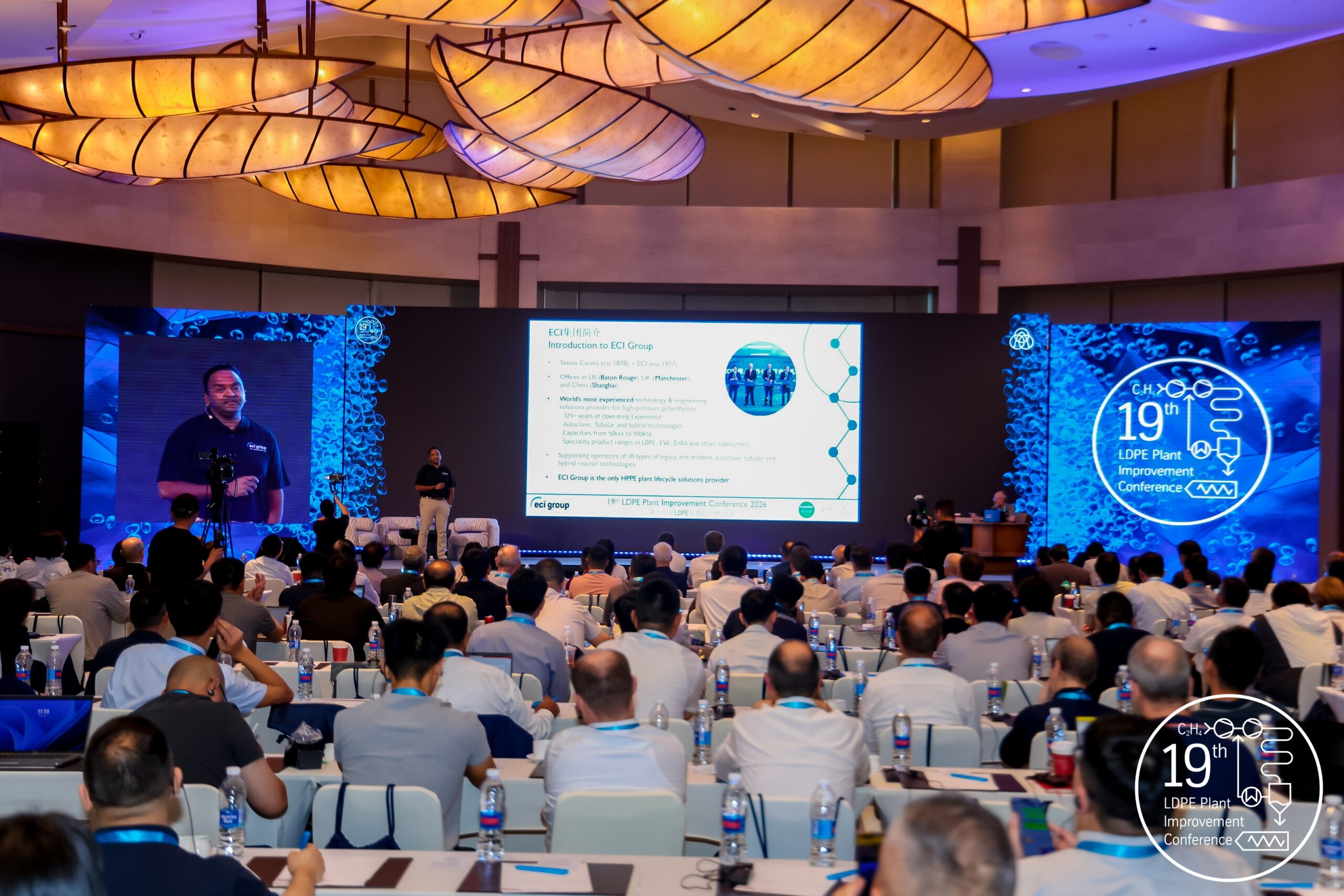
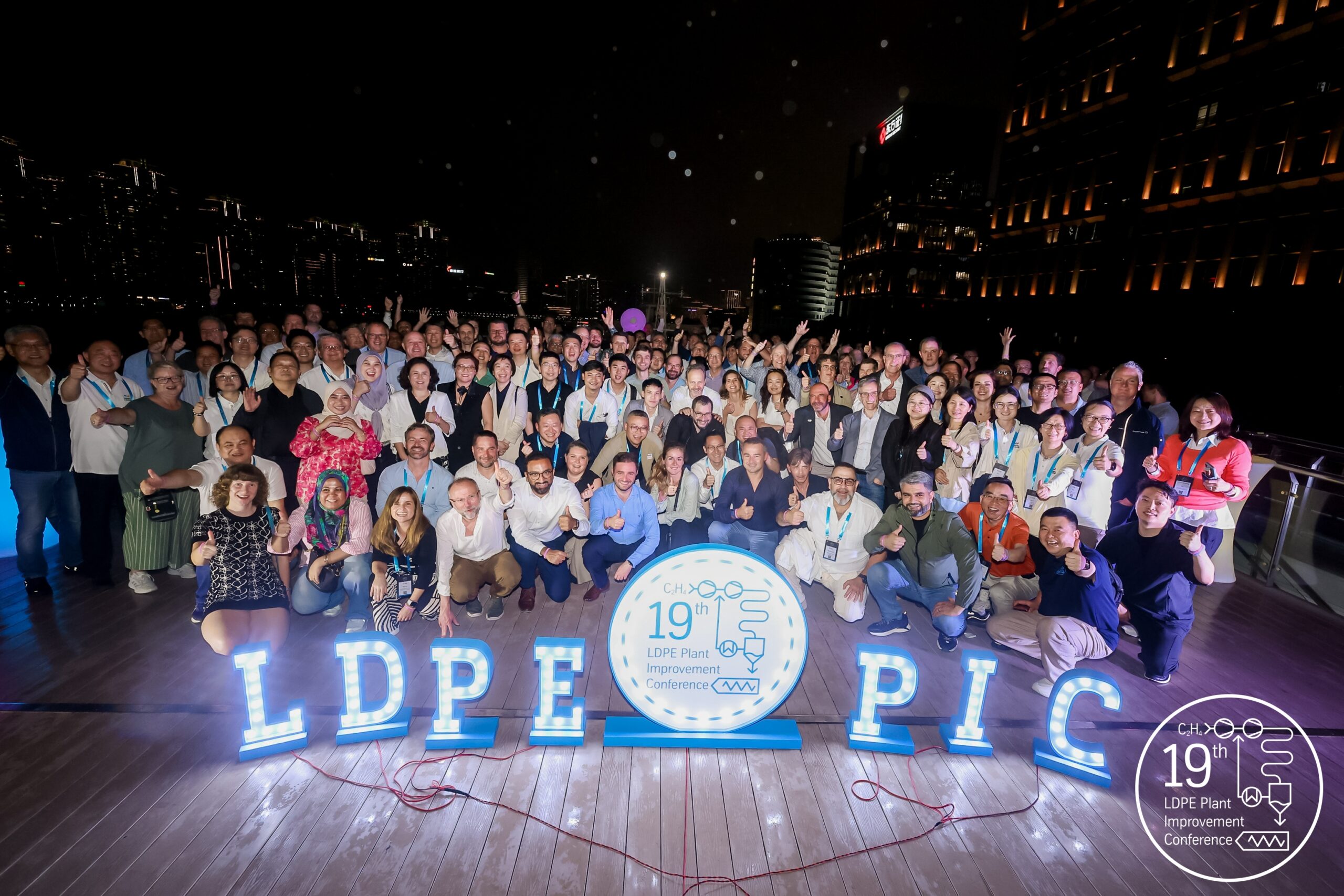
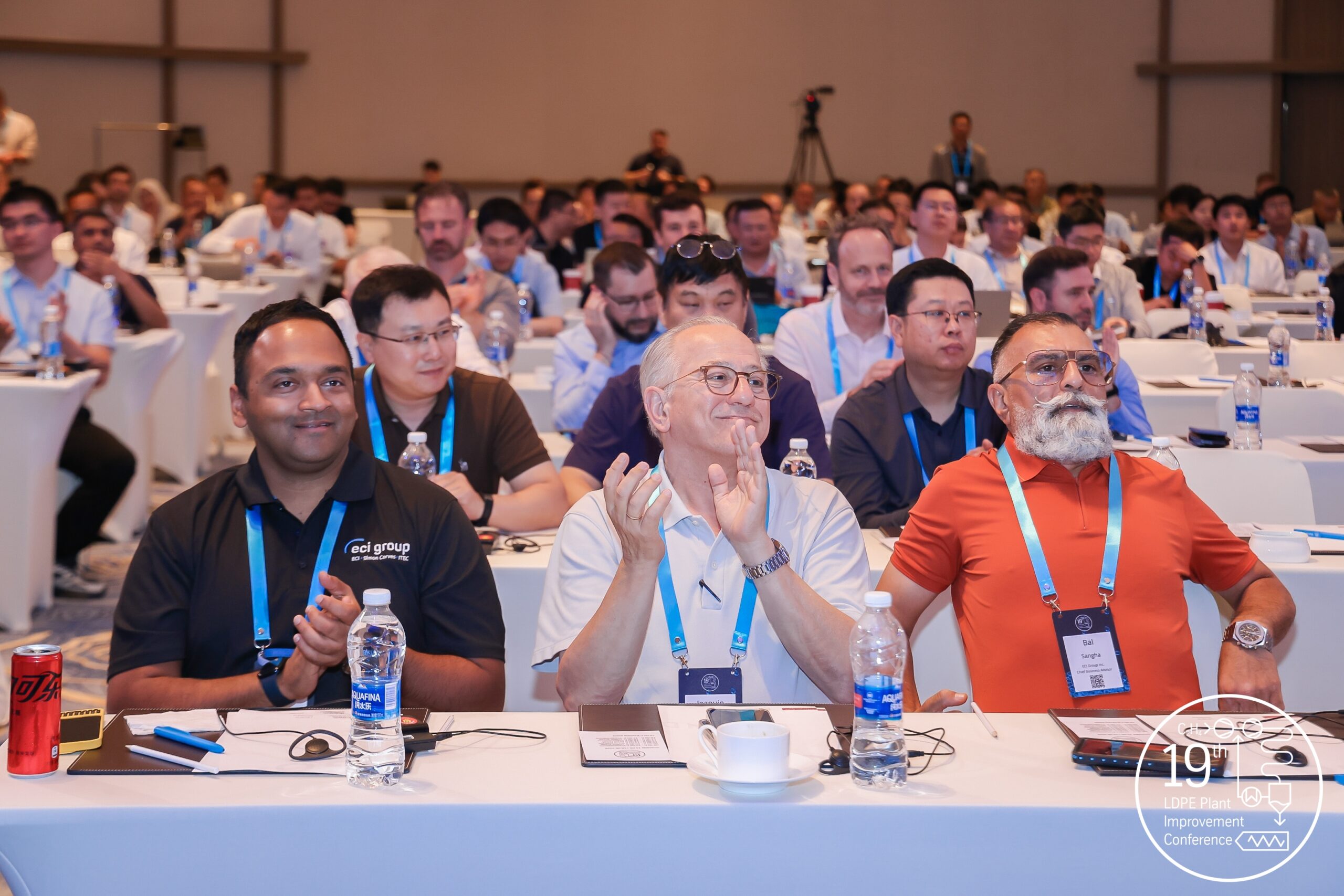
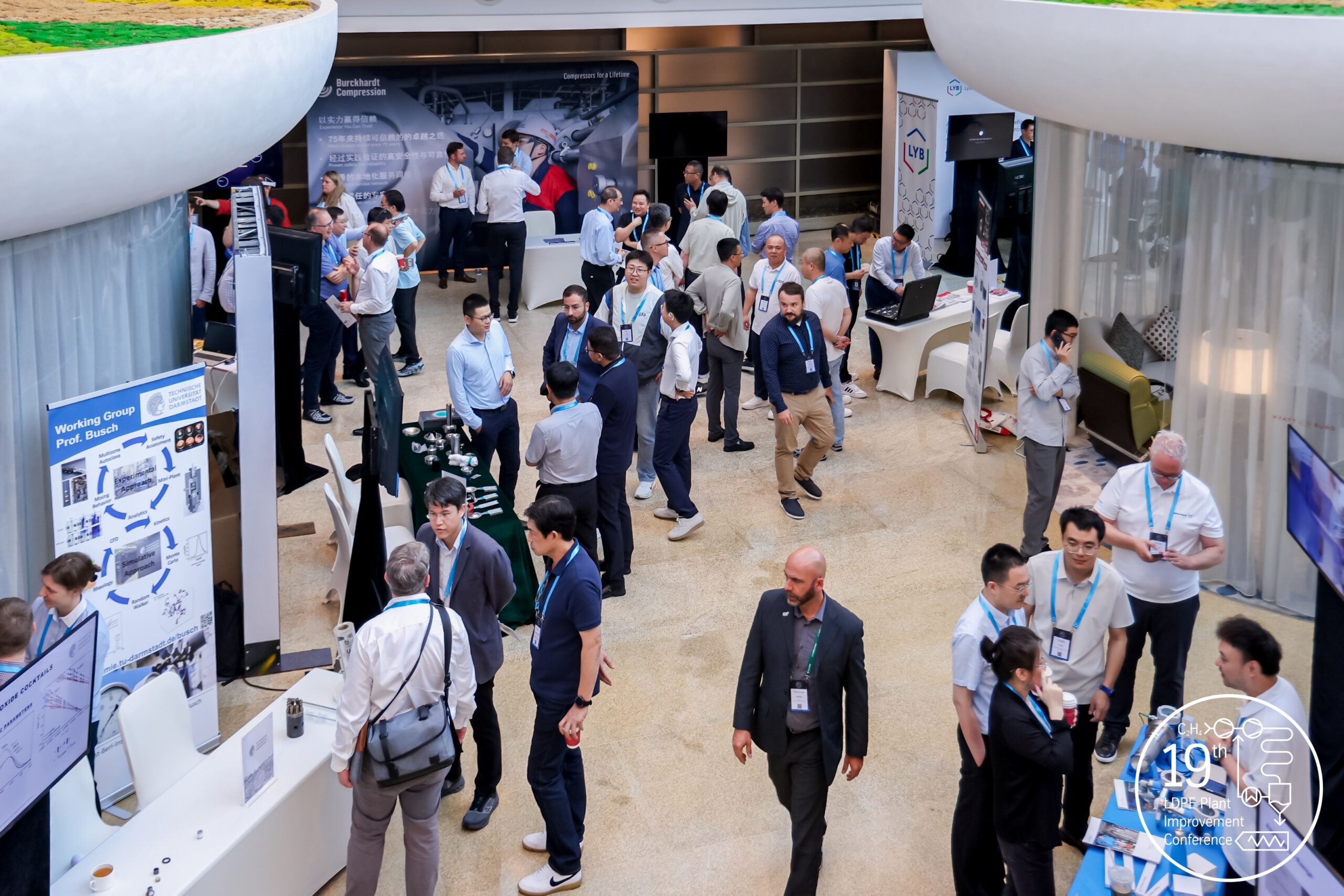
As a leading event for the high-pressure polyethylene (HPPE) industry, the conference brought together nearly 250 LDPE plant operators, licensors, equipment suppliers, and service providers from around the world. 

Across three days, the programme delivered a strong line-up of technical presentations and workshops, providing a focused platform to exchange operational insights, tackle shared challenges, and present new advancements in high-pressure LDPE and EVA production.

Key topics of discussion included:

  • Developments shaping China’s LDPE/EVA market
  • Strategies to minimise downtime and improve plant efficiency
  • Case studies from both established facilities and recent start-ups
  • Advances in early detection and process control systems

A Future-Proof Plant in an Uncertain World

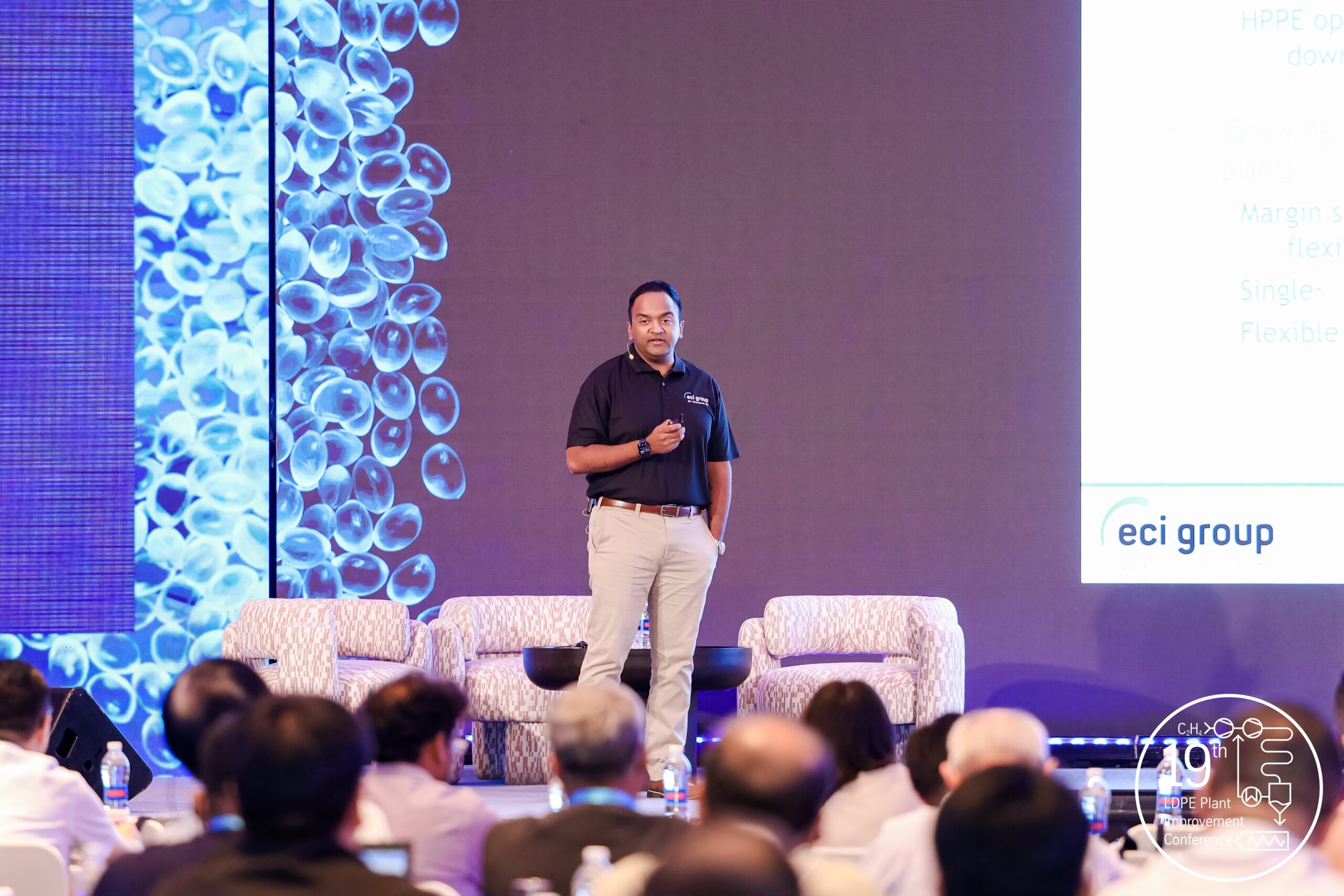
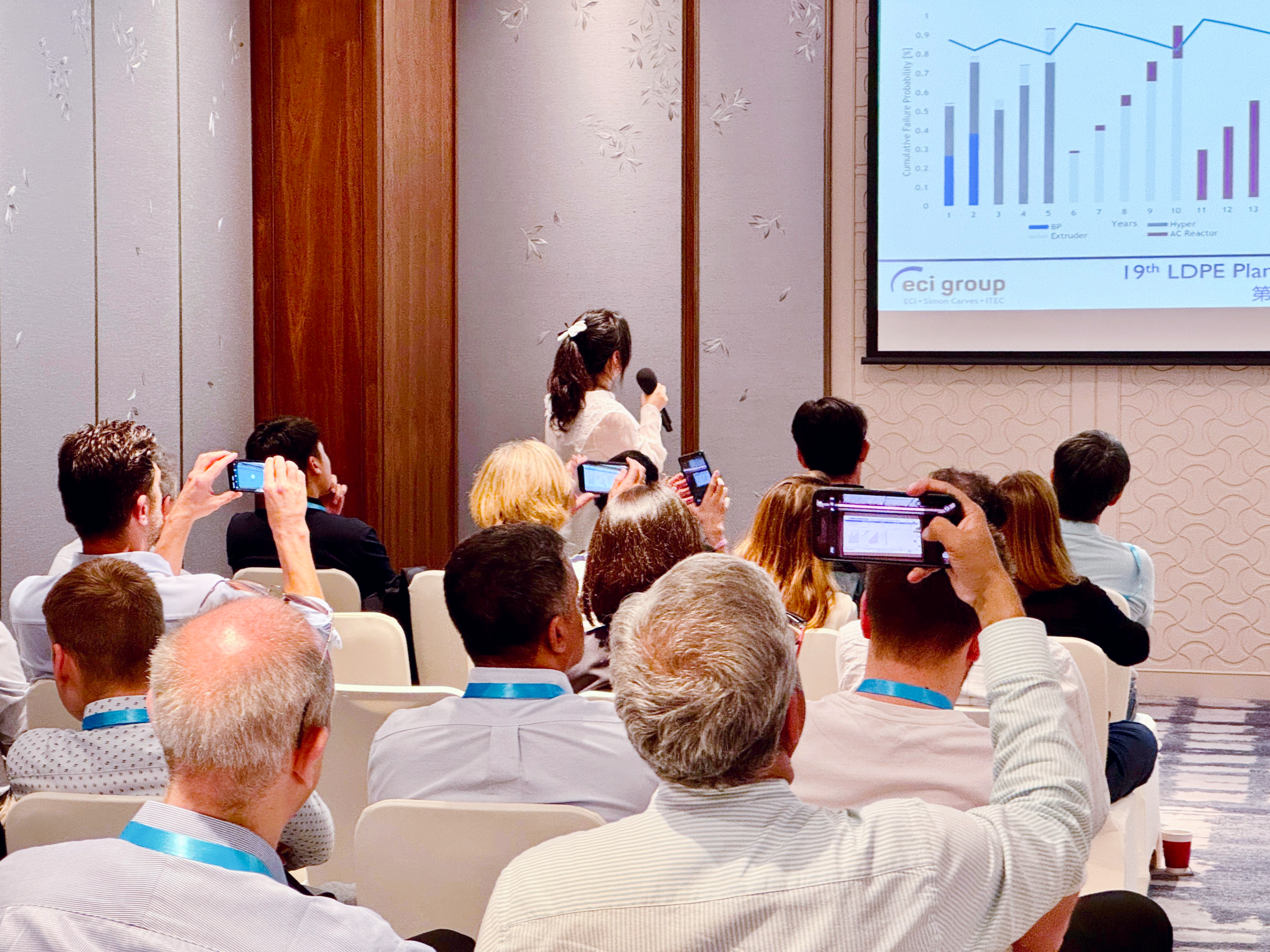
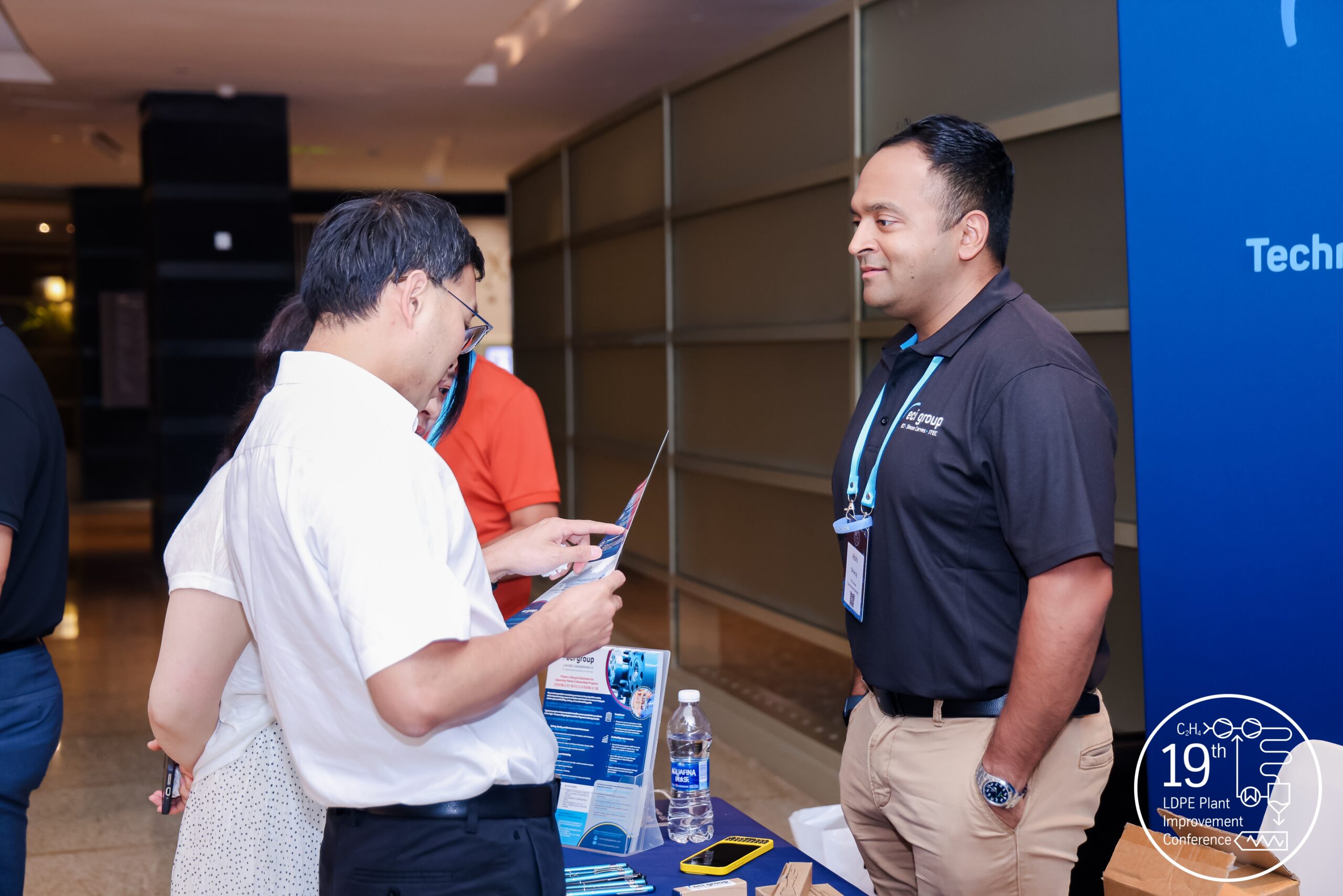
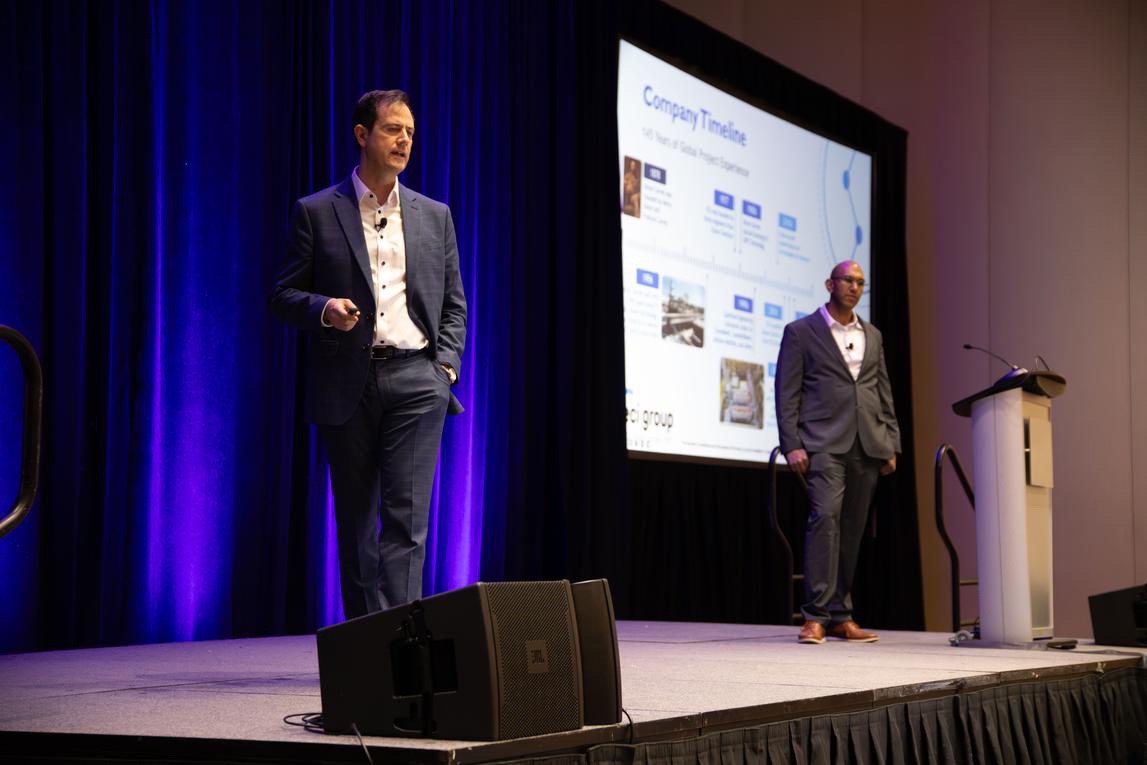
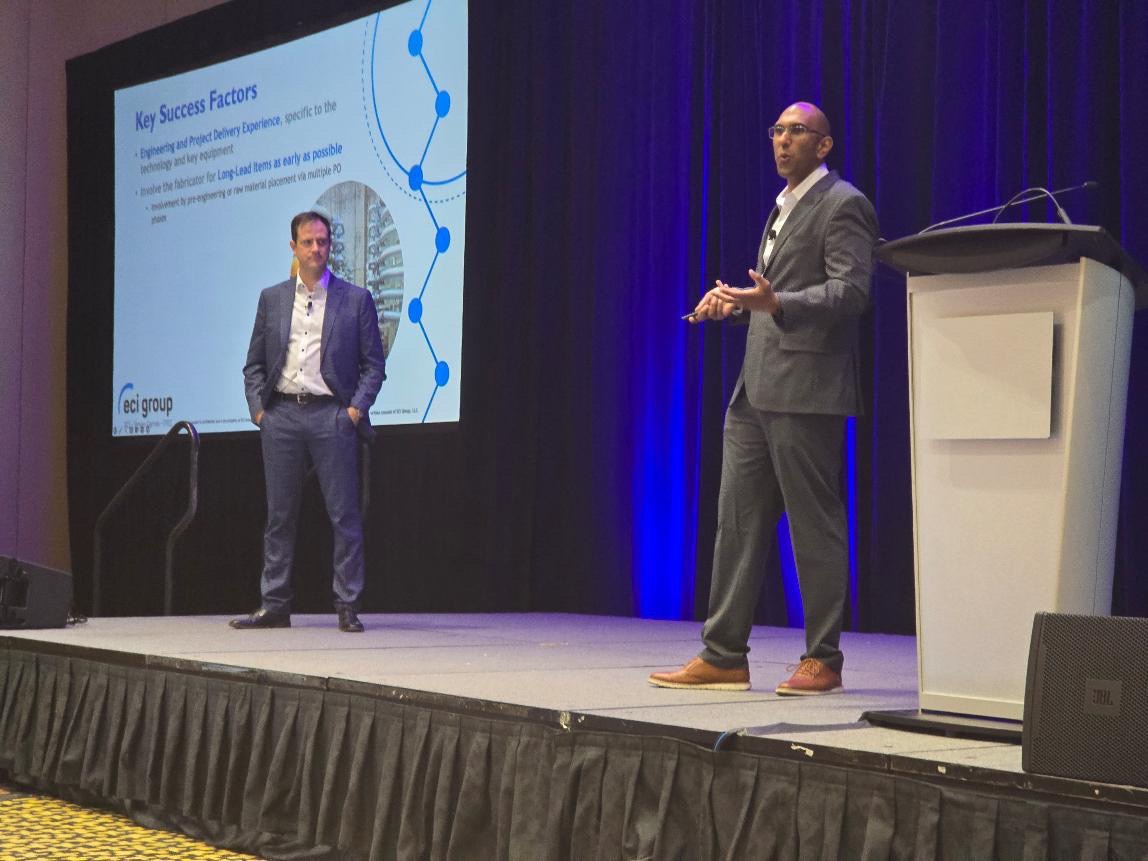
ECI Group’s Licensing & Commercial Director, Abhi Shivraj, presented “A Future-Proof Plant in an Uncertain World.” His session highlighted the growing importance of flexible LDPE plant design, not only as a competitive advantage but a critical requirement for short-term resilience and long-term success.

Abhi demonstrated how ECI Group’s HPPE technologies enable truly future-ready plants—supporting both greenfield developments and brownfield upgrades—through:

  • Greater product versatility
  • High-value application capability
  • Scalable configurations for both product slate and capacity

Drawing on decades of real-world project experience, his presentation demonstrated how smart technology decisions today can help operators stay competitive and adaptable in a rapidly evolving market.

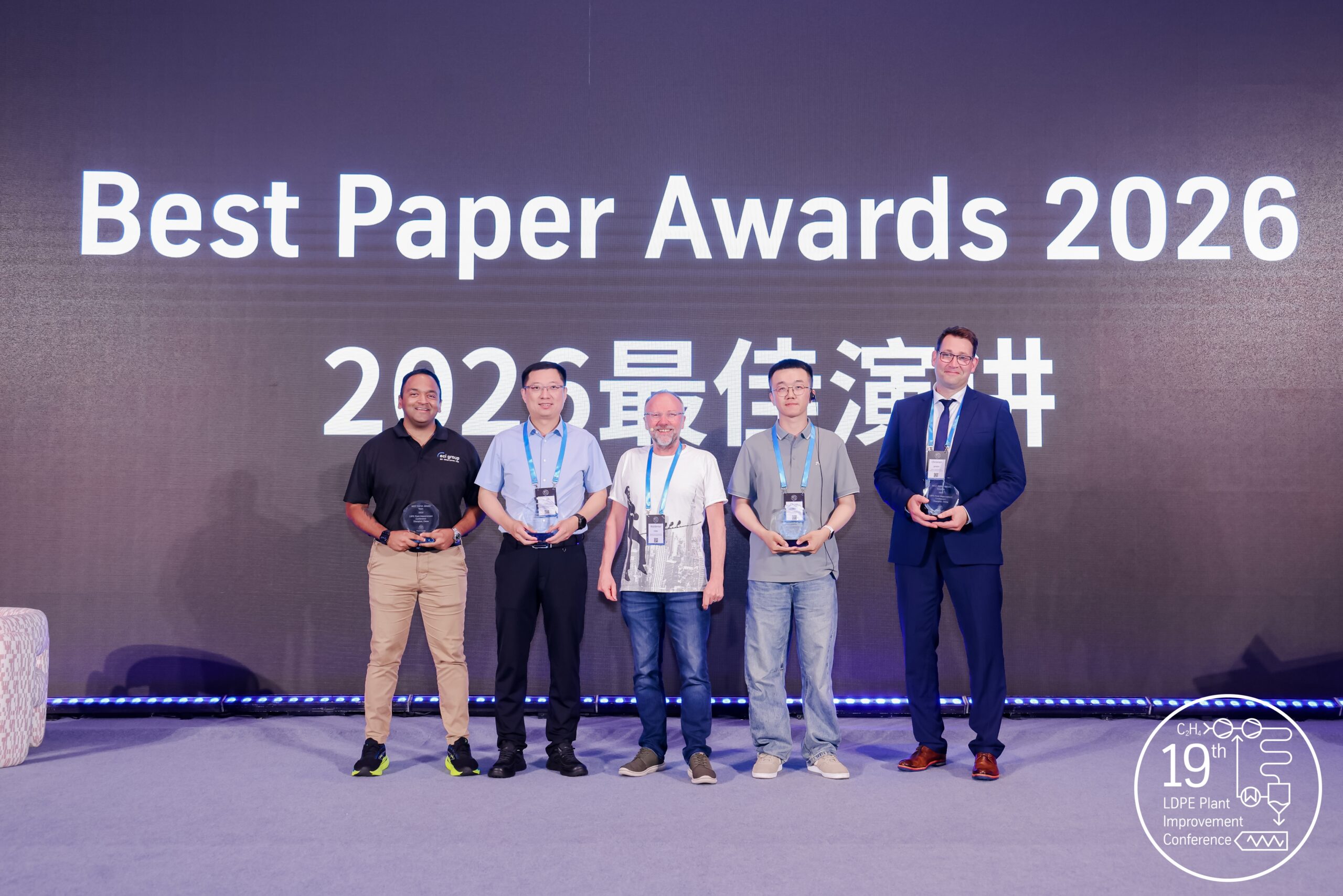
The presentation was voted runner-up in the Best Supplier Paper awards—a fantastic recognition of the team’s expertise and insight. 

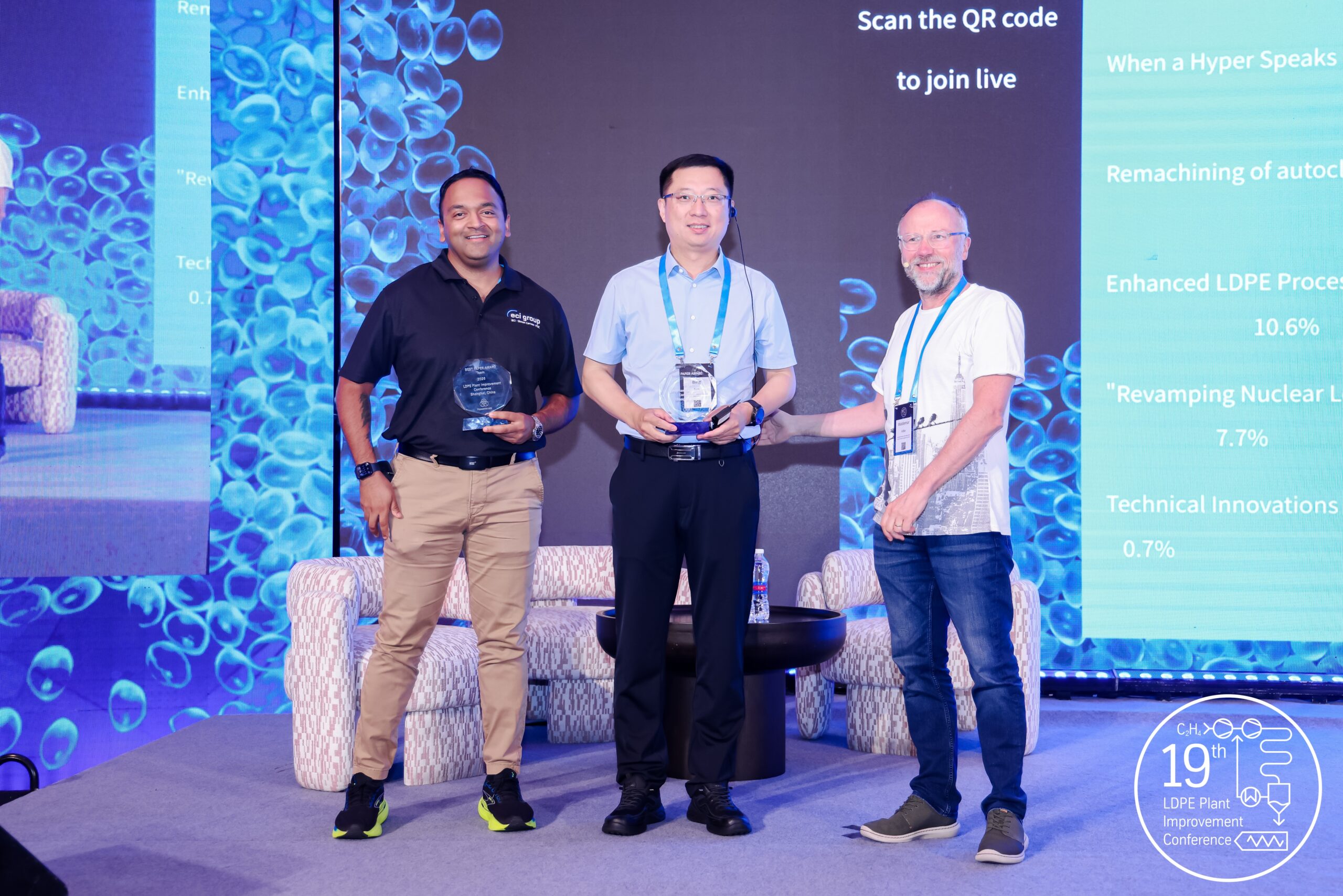
Best Team Paper

The joint team presentation from Levima, with contributions from DPEC, Uhde, and ECI Group, won Best Team Paper at the conference, showcasing how a collaborative approach directly led to the success of the autoclave reactor expansion project!

A special thank you to Kevin Haldane, ECI Group’s Senior HPPE Piping & Mechanical Subject Matter Expert, who co-authored the paper.


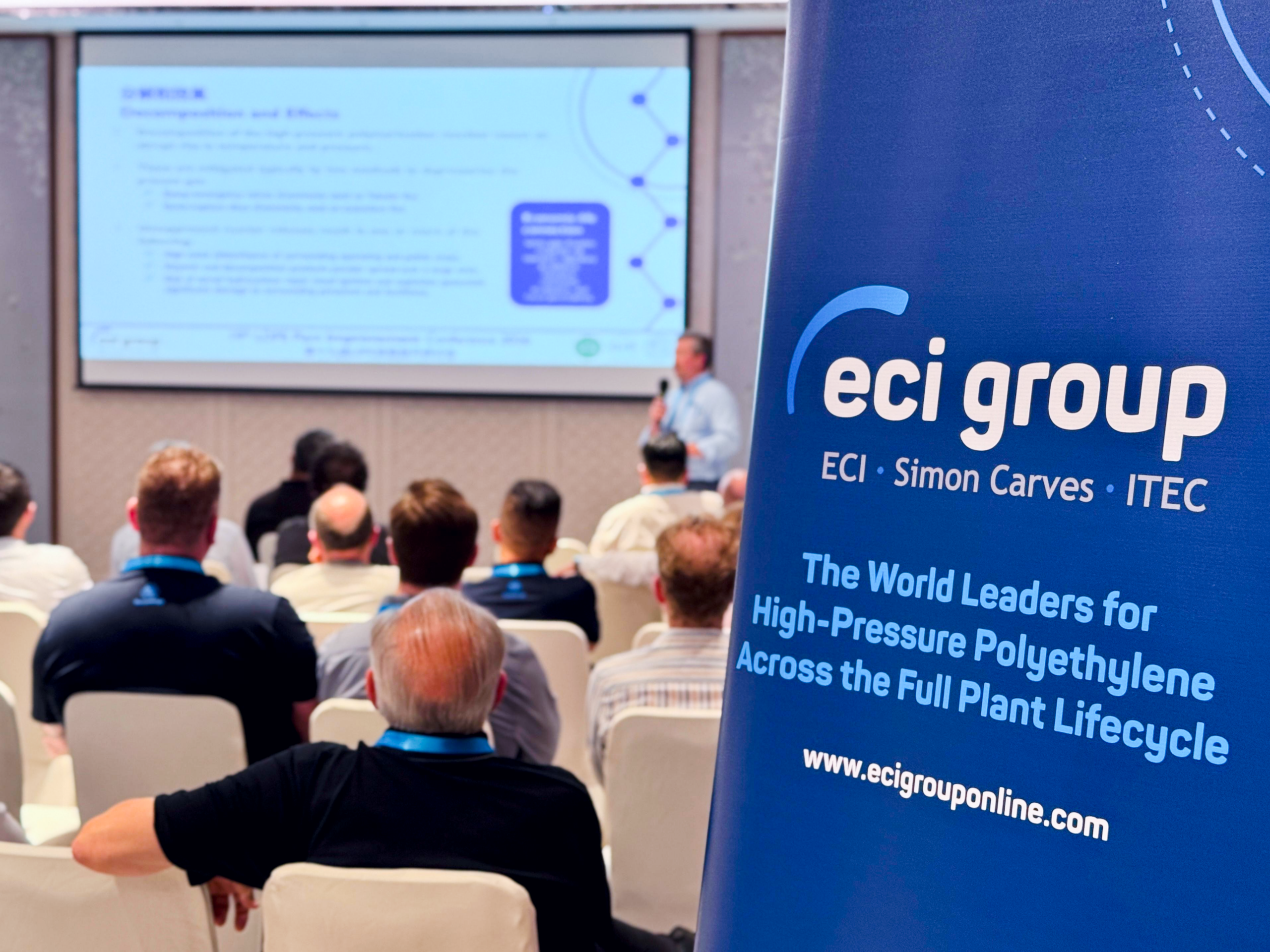
Workshop: Extending the Economic Life of LDPE Plants Through Technology-Driven Modernization

A new addition to this year’s event was a series of sponsor-led workshops, offering a more interactive format for knowledge sharing—ranging from technical deep dives to practical demonstrations.

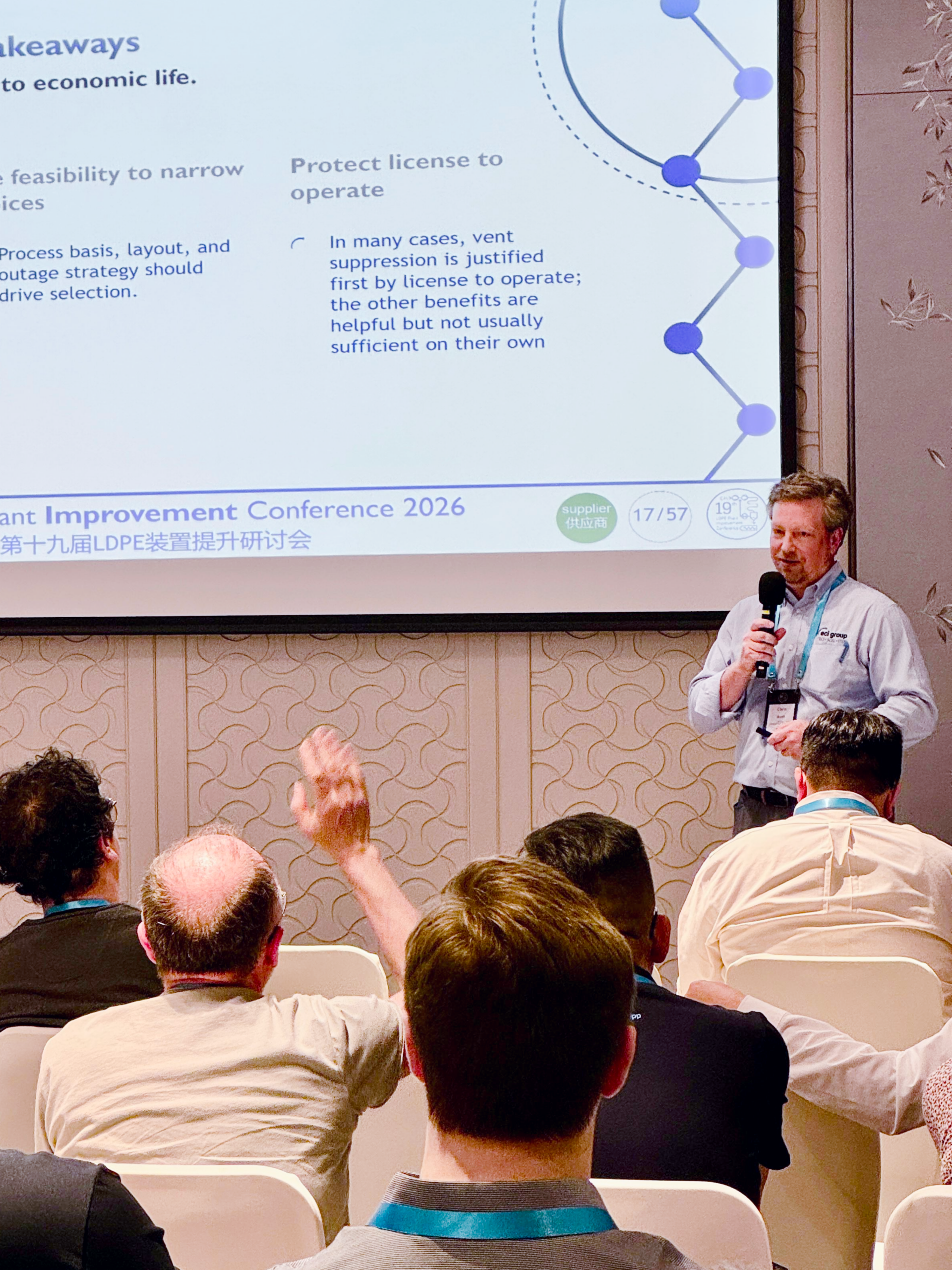
Chris Brock, Director of HPPE Technology and Vice President of ECI Group, delivered a workshop on: “Extending the Economic Life of LDPE Plants Through Technology-Driven Modernization.”

Many LDPE plants operating today were designed for market conditions very different from today’s competitive and operational realities. Aging assets, rising maintenance costs, tighter safety expectations, and pressure from world-scale facilities continue to challenge the long-term viability of legacy plants. Yet many of these facilities still contain significant unrealized value.

As a licensor of LDPE technology for both new and existing facilities, ECI Group primarily develops and implements modern high-pressure polyethylene technologies for greenfield projects. Many of these same technologies can also be selectively integrated into existing LDPE assets to improve reliability, expand product capability, increase production, and strengthen process safety performance.

The workshop examined practical approaches to modernization, including:

  • Debottlenecking strategies to unlock additional capacity
  • Reactor upgrades for improved performance
  • Enabling higher-value copolymer production
  • Vent suppression technologies
  • Reliability-centered maintain-vs-replace decision frameworks

Through real project examples from both autoclave and tubular reactor plants, the workshop demonstrated how targeted technology upgrades and strategic reinvestment can extend plant life, improve profitability, and enhance operational flexibility—often with significantly lower cost and disruption than building new facilities.

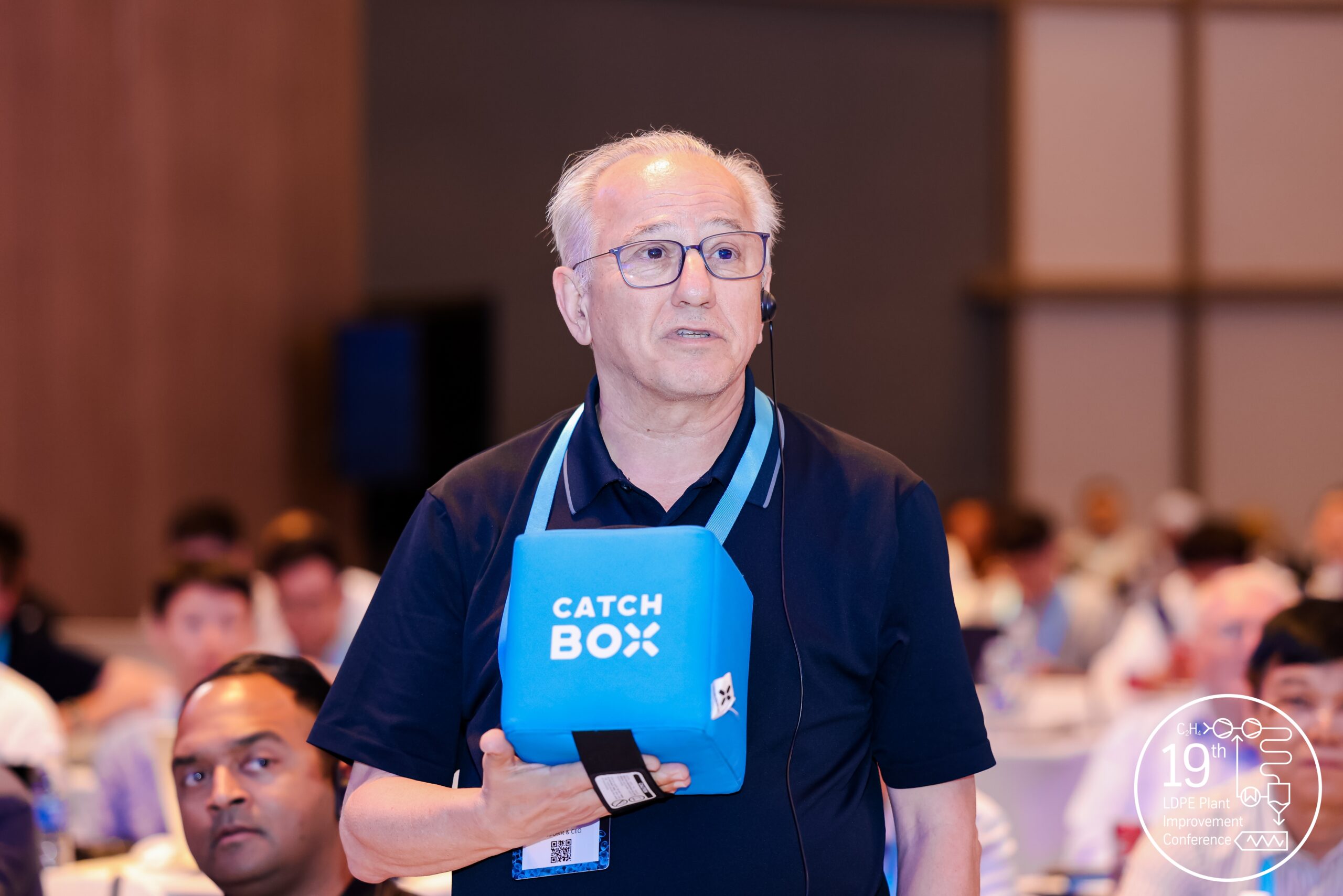
The workshop was well attended, and it was fantastic to see such a strong turnout and level of engagement in the room. We had some really thoughtful questions and discussions throughout. A big thank you to everyone who attended and helped make the session so interactive and rewarding!


Networking and Social Highlights

In addition to the technical agenda, the conference provided excellent opportunities to connect with peers and experience Shanghai.

The event opened with a welcome reception at the Hyatt on the Bund, offering panoramic views of the city skyline and its iconic evening light display.

Day 1 concluded with a guided walk along the historic Bund waterfront and day 2 closed with the conference dinner aboard a river cruise on the Huangpu River—providing an opportunity to continue conversations in a relaxed setting.

Looking Ahead: 20th Conference 2027

The 2026 conference once again proved to be a highly valuable forum for sharing expertise and strengthening industry connections.

Next year’s event will mark the 20th edition of the LDPE Plant Improvement Conference—a major milestone for the community. As a long-standing supporter, ECI Group looks forward to continuing our involvement and reconnecting with industry partners in 2027. See you in Reims!

  • 7Z9A1999

  • 7Z9A1354

  • 7Z9A0883

  • 7Z9A1900

  • 7Z9A9696

  • 7Z9A9396

  • ZX2859

  • ZX3815

  • ZX5379

  • ZX5787

  • ZX5802

  • ZX3143

  • LDPE PIC 2026-8

Continue reading

FAQ: Polyethylene Plant Viability

FAQ: Polyethylene Plant Viability

News    ⋅    FAQ: Polyethylene Plant Viability

FAQ: Polyethylene Plant Viability

ECI Group’s Subject Matter Experts answer frequently asked questions about polyethylene plant viability, focusing on how operators can sustain profitability, competitiveness, and long-term asset value in a changing market.

  • What is polyethylene plant viability?

    Polyethylene plant viability goes beyond whether a facility can continue operating from a mechanical standpoint. A plant may still be physically capable of running, but viability depends on its ability to remain safe, reliable, competitive, and profitable.

    Polyethylene plant viability is determined by whether the plant can:

    • Operate safely and meet regulatory expectations
    • Maintain high reliability and uptime
    • Compete on production costs
    • Serve attractive, higher-value markets
    • Align with long-term portfolio strategy

    Key drivers for polyethylene plant viability are capital affordability and strategic fit. It’s important to understand not only if a plant can operate, but under what strategy it makes sense to operate.

  • What factors determine whether a polyethylene plant remains viable?

    Several interconnected factors influence long-term viability:

    • Safety performance: Gaps in safety systems can threaten a plant’s license to operate and future investment justification.
    • Reliability and service factor: Declining uptime, unplanned outages, and maintenance escalation directly reduce profitability.
    • Production efficiency: Falling conversion rates, rising fixed costs, and reduced online time all contribute to declining margins.
    • Market positioning: Commodity-only plants are more exposed to margin pressure, while flexible or specialty-capable assets recover faster in down cycles.
    • Asset flexibility: Plants that can adapt product slates or operating conditions are more resilient to market volatility.

    These factors often deteriorate together over time, compounding the loss of economic value.

  • Why do polyethylene plants lose economic viability over time?

    As polyethylene plants age, a combination of operational and market pressures gradually erodes their competitiveness:

    • Aging equipment increases failure risk and maintenance costs
    • Reliability declines, resulting in lower online time and production output
    • Operating costs rise while margins compress
    • Product offerings become commoditized, limiting pricing power

    At the same time, industry expectations and competitive benchmarks continue to rise, widening the gap between legacy plants and modern, flexible facilities.

    The result is a gradual shift where a plant transitions from a value-generating asset to a potential liability—unless proactive steps are taken.

  • Can the economic life of a polyethylene plant be extended?

    Yes. In many cases, the economic life of an existing polyethylene plant can be extended by 10–20+ years through targeted modernization and optimization strategies.

    Rather than replacing the asset entirely, operators can implement selective upgrades that improve safety, reliability, capacity, or product value. These interventions help restore competitiveness and unlock additional years—or even decades—of profitable operation.

    Importantly, extending economic life is often more cost-effective than building a new grassroots facility.

  • What are the best strategies to improve polyethylene plant viability?

    There are four primary pathways to improving polyethylene plant viability, each addressing a different business need.

    1. Safety Modernization
    • Enhances risk management and regulatory compliance
    • Protects the plant’s license to operate
    • Examples include relief system upgrades and vent suppression technologies
    1. Reliability Extension
    • Focuses on maintaining or improving service factor (uptime)
    • Reduces unplanned downtime and maintenance costs
    • Often delivers rapid financial returns through avoided production losses
    1. Product Mix & Capacity Expansion
    • Improves economic performance with greater mix of products and higher output
    • Includes debottlenecking and reactor upgrades
    • Can unlock significant latent capacity within existing assets
    1. Product-Value Modernization
    • Enables production of higher-value or specialty products
    • Improves margins and reduces exposure to commodity price cycles
    • Expands market opportunities and product flexibility

    Each of these pathways contributes differently to overall plant viability, and many facilities benefit from a combined approach.

    Modernization is strongest when safety, reliability, cost, and product mix competitiveness are treated as one economic-life problem.

  • When should operators take action to protect plant viability?

    Operators should begin evaluating modernization options when they observe early signs of declining performance, such as:

    • Increasing maintenance frequency or unplanned outages
    • Reduced service factor or production efficiency
    • Rising unit costs or shrinking margins
    • Safety concerns or regulatory pressures
    • Limited ability to shift product mix

    Addressing these issues early prevents compounding losses and protects long-term profitability.

  • Is it better to modernize or replace an aging polyethylene plant?

    In many cases, selective modernization is the preferred approach. Well-planned upgrades can:

    • Extend plant life without the cost of full replacement
    • Deliver faster returns on investment
    • Minimize operational disruption
    • Preserve existing infrastructure and workforce expertise

    Full replacement may only be justified when the plant can no longer meet safety, reliability, or economic thresholds—even after considering modernization options.

    Read a project case study where ECI Group helped a client achieve >35% capacity increase through debottlenecking.

  • How should operators approach long-term viability planning?

    A structured, lifecycle-based approach is essential. This typically includes:

    1. Baseline assessment: Benchmark performance, reliability, and constraints from historic operating data. Identify recurring bottlenecks.
    2. Opportunity screening: Identify and rank safety, reliability, capacity, and product improvements. Separate ‘must-do’ from ‘value-add’ opportunities.
    3. Roadmap Development: Align investments with long-term strategy and market outlook. Select feasibility studies to pursue. Build phased CAPEX roadmap tied to portfolio strategy.

    Successful plants are managed with a long-term mindset, where decisions at each stage support sustained performance over decades—not just short-term gains.

    ECI Group’s Consultancy Services team, provides polyethylene plant viability assessments to support the economic life extension of your plant.

  • How can ECI Group improve polyethylene plant viability?

    ECI Group supports operators throughout the plant lifecycle by delivering integrated solutions that enhance safety, reliability, and profitability.

    By combining advanced technologies, engineering expertise, and operational insights, ECI Group helps transform aging polyethylene assets into flexible, competitive platforms for continued value creation—maximizing both operational life and return on investment.


For more information about ensuring the viability of your operating plant, don’t miss out upcoming technical workshop at the 19th LDPE Plant Improvement Conference in Shanghai on:

Extending the Economic Life of LDPE Plants through Technology-Driven Modernization”.

LDPE PIC 2026

Contact Us

Improve Your Polyethylene Plant Performance Today

Ready to extend the life and profitability of your polyethylene plant? Contact ECI Group for a consultationExplore our polyethylene plant solutions.

Continue reading

techX 2026

techX 2026

News    ⋅     techX 2026  ⋅     9 June, 2026 

ECI Group at techX 2026: Driving Performance, Innovation, and Growth in Polyolefins

ECI Group was proud to present and exhibit at techX 2026, the global UNIPOL® PP Technology Exchange Meeting hosted by W. R. Grace. This annual event brings together licensees, operators, and leading suppliers from across the polyolefin industry to share operational experience, exchange best practices, and explore the innovations shaping the future of polymer production.

Held in Las Vegas, this year’s conference proved to be a valuable platform for collaboration and technical insight—bringing together key voices from across the global polyolefin community.

Showcasing ECI Group’s Expertise

The ECI Group team engaged with industry peers, partners, and plant operators to discuss how our consultancy services and specialized engineering expertise can help producers unlock greater value from their assets.

Our conversations throughout the event centered on a shared industry focus:

  • Improving plant performance and reliability
  • Achieving sustainable and cost-effective capacity growth
  • Navigating evolving market demands through flexible production strategies

We were pleased to connect with so many organizations looking to optimize operations while balancing profitability, safety, and sustainability objectives.

Computational Fluid Dynamics model (heat map of liquid flow)

Sharing Insights: Specialized Polyolefin Engineering

A key highlight of techX 2026 was ECI Group’s technical presentation, delivered by: Nehal Badal, Project Engineering Technology Manager, and Francisco Larenas, Director of Consultancy Services.

Their session focused on “Specialized Polyolefin Engineering”, offering both strategic insight and real-world application.

Expanding Possibilities in Polyolefin Production

Francisco showcased ECI Group’s polyethylene and co-polymers technology offering and options for diversifying polyolefin production portfolios. He spoke about:

  • Flexible production strategies to respond to changing demand
  • Polyethylene and co-polymers technology options for expanding product portfolios
  • Best practices in debottlenecking and capacity expansion
  • The role of specialized engineering in improving operational efficiency, safety, and sustainability

These insights reflected a growing need within the industry to do more with existing infrastructure—while maintaining high standards of performance and reliability.

Computational Fluid Dynamics model (heat map of liquid flow)

Delivering Measurable Results: Case Study Spotlight

Complementing this strategic perspective, Nehal presented a detailed case study showcasing the tangible impact of ECI Group’s engineering approach.

The project focused on a tubular reactor expansion, where ECI Group supported a client in achieving a >35% increase in plant capacity through targeted debottlenecking and optimization.

By applying specialized high-pressure engineering expertise and a structured approach to plant improvement, the project demonstrated how significant gains can be realized without the need for major capital investment.

Computational Fluid Dynamics model (heat map of liquid flow)

Looking Ahead

As the industry continues to evolve, the themes highlighted at techX 2026—efficiency, flexibility, and sustainability—will remain central to future success.

ECI Group remains committed to supporting polyolefin producers in achieving these goals through:

  • Advanced engineering solutions
  • Practical, experience-driven consultancy
  • Proven methodologies for plant optimization and expansion

We would like to thank W. R. Grace for hosting a successful techX event, and all those who took the time to meet with us during the conference!

  • 2026-techX-GroupPhotoHigh

  • Image (21)

  • Image (14)

  • Image (22)

  • techX photos-3

Interested in learning more?

Explore our case study on plant debottlenecking and capacity expansion here:
https://ecigrouponline.com/eva-plant-debottlenecking-case-study/
Or get in touch with the ECI Group team to discuss how we can support your operations:
https://ecigrouponline.com/contact/

Continue reading

EVA Plant Debottlenecking Case Study

Project Case Study

News    ⋅     Project Case Study: EVA Plant Debottlenecking

EVA Plant Debottlenecking Case Study: 35% Capacity Increase

How can an EVA plant increase capacity without a full rebuild?

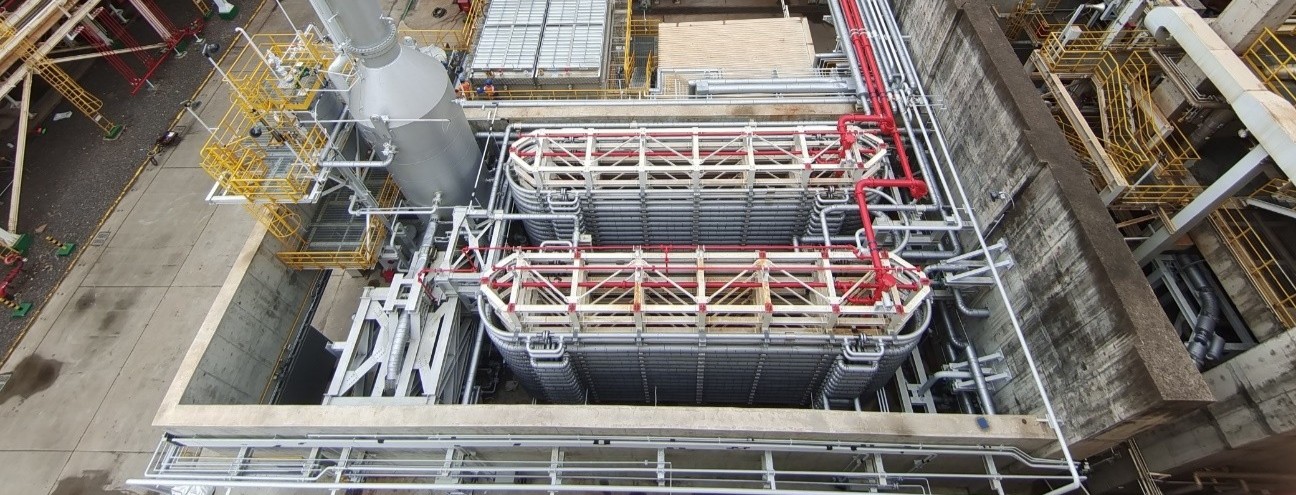
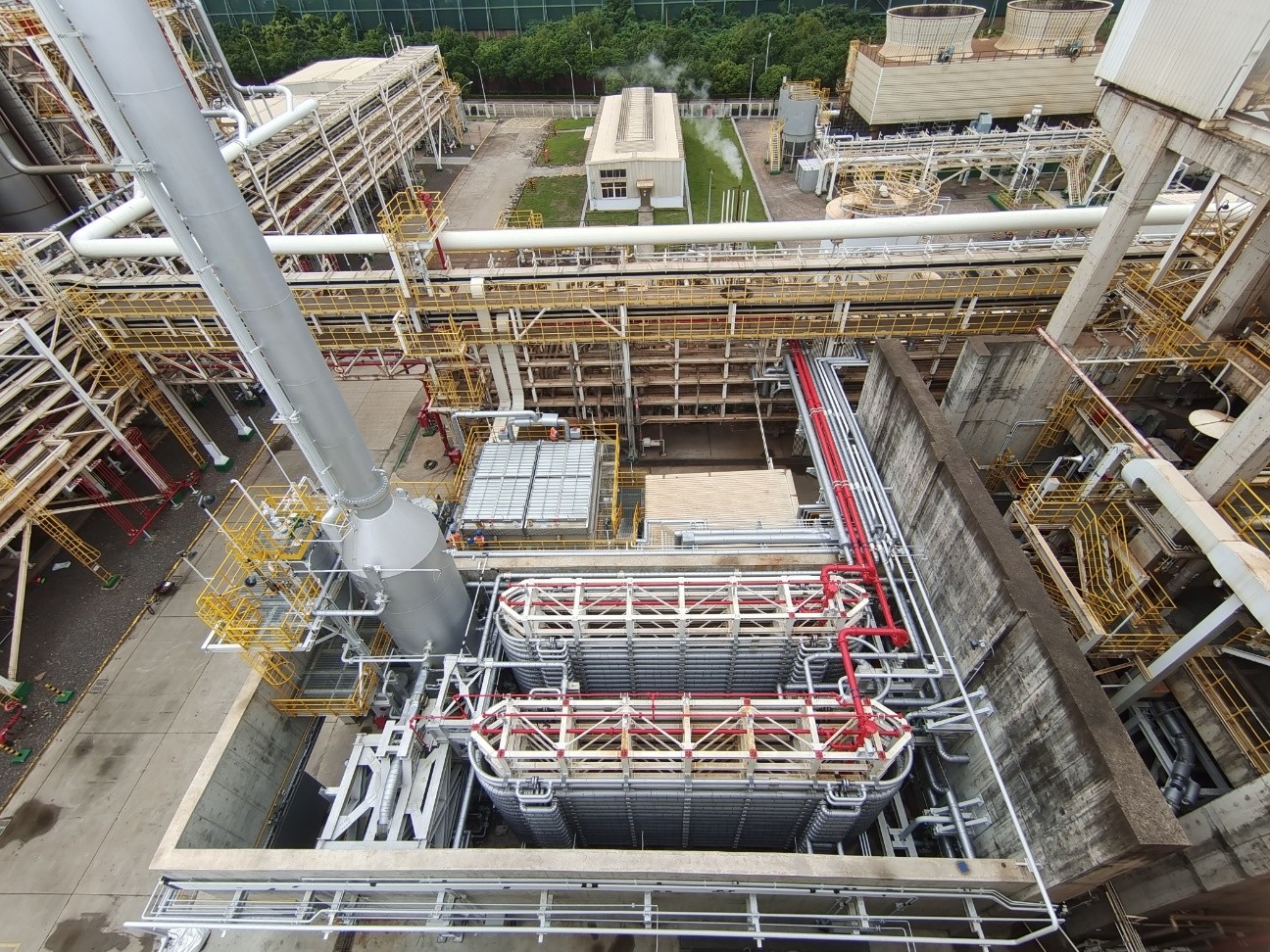
ECI Group helped an EVA producer in China achieve a 35%+ capacity increase by implementing our proprietary Hybrid Autoclave Reactor Extension (HARE™) technology. The project also improved product quality, operational flexibility, and reactor performance—with minimal downtime.

Project Summary

  • Process: Autoclave
  • Location: China
  • Original Capacity: 72 ktpa
  • New Capacity: 100 ktpa
  • Capacity Increase: >35%
  • Technology Used: HARE™ (Hybrid Autoclave Reactor Extension)
  • Downtime: 30-day shutdown
  • Start-up, Product Qualification and Performance Tests: 1 week

What Is Plant Debottlenecking?

Plant debottlenecking is the process of removing production constraints to increase throughput, efficiency, and product flexibility—without building a new facility.

In high-pressure polyethylene and EVA plants, this often focuses on improving reactor conversion, throughput, and performance while maintaining safety and product quality.

Client Challenge

The client approached ECI with a view to increase the production capacity of their autoclave plant originally commissioned in 2016. They specified the following key success parameters:

  • Increase conversion to maximize production
  • Maintain or enhance product properties and qualities
  • Minimize downtime during implementation
  • Maintain or improve safety performance
  • Improve high-pressure recycle (HPR) unit performance

ECI Group’s Solution

Following a detailed feasibility study, ECI Group identified that installing a hybrid reactor extension (HARE™) would deliver the best outcome.

Why HARE™?

HARE™ technology enables:

  • Increased reactor conversion
  • Higher throughput within existing infrastructure
  • Improved product consistency
  • Enhanced operational flexibility

The HARE™ provides these benefits whilst avoiding the cost and downtime associated with a major plant overhaul.

Engineering and Execution Approach

  • 1. Feasibility Study & Concept Development

    • ECI Group conducted an in-depth plant assessment, evaluating all potential debottlenecking strategies with associated considerations for capital costs, plant downtime and operating costs.
  • 2. Basic Design Engineering

    Key deliverables included:

    • Process & Instrumentation Diagrams (P&IDs)
    • Long-Lead Item (LLI) specifications for early procurement
    • Laser scanning of the plant
    • Full 3D digital model development
  • 3. Detailed Design & Procurement

    Working with the client’s preferred local EPC contractor:

    • ECI Group designed all high-pressure systems
    • EPC partner handled low-pressure plant design
    • Long-lead equipment orders were placed early
    • Vendor data was integrated into a shared 3D model
  • 4. Construction, Shutdown, and Start-Up

    To minimise impact on operations:

    • Installation completed in 30 days, the majority of which took place during normal plant operation
    • Start-up and performance testing completed within one week
    • Rapid achievement of design capacity and product quality

    The upgraded plant restarted successfully in November 2022.

Results and Benefits

Key Outcomes

  • >35% increase in plant capacity
  • Improved EVA product quality and consistency
  • Enhanced reactor and process performance
  • Minimal disruption to operations
  • Fast return on investment

Key Success Factors

  • Deep expertise in high-pressure LDPE/EVA technologies
  • Early engagement with critical equipment vendors
  • Integrated 3D modelling and design coordination
  • Strong collaboration between client, EPC, key vendors, and ECI Group

This project highlights how advanced engineering and proprietary technology can unlock significant hidden capacity in existing EVA plants.

By leveraging our proprietary HARE™ technology and a highly coordinated execution strategy, ECI Group enabled a step-change in production performance—without the cost or downtime of building new infrastructure.

Looking to Increase EVA Plant Capacity?

Contact ECI Group’s Consultancy Services team to explore how debottlenecking, reactor upgrades, and high-pressure process optimisation can help you maximise production and profitability.

Continue reading

Connect Space

Connect Space

News    ⋅     Connect Space    ⋅     15 May, 2026 

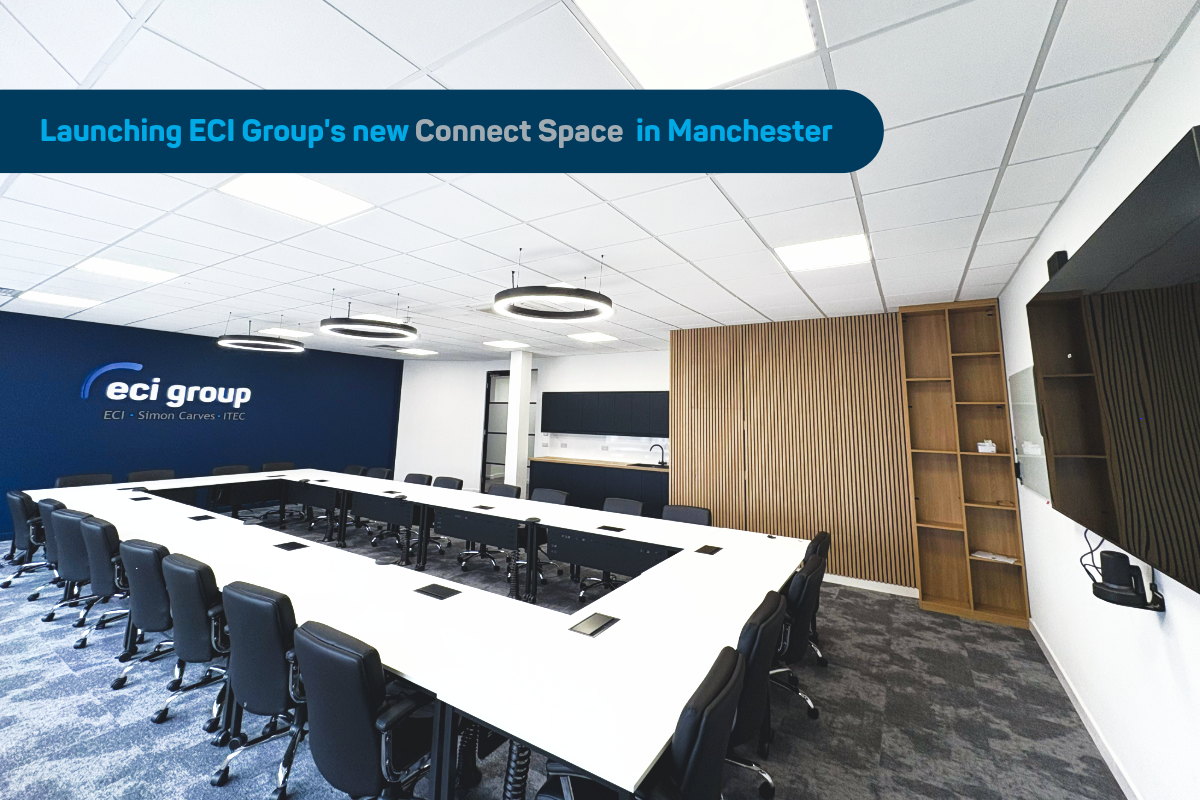
ECI Group unveils our new Connect Space in Manchester

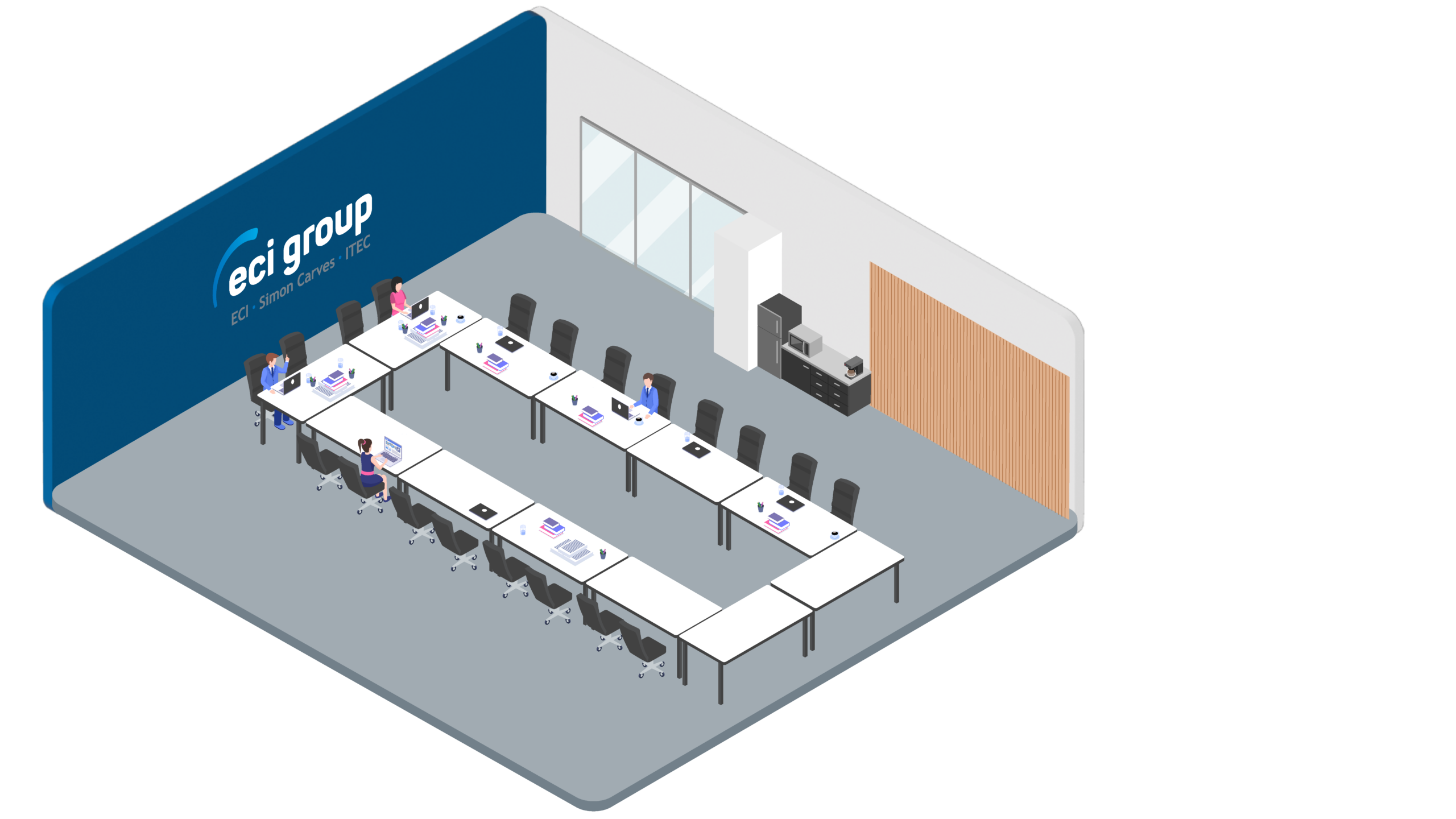
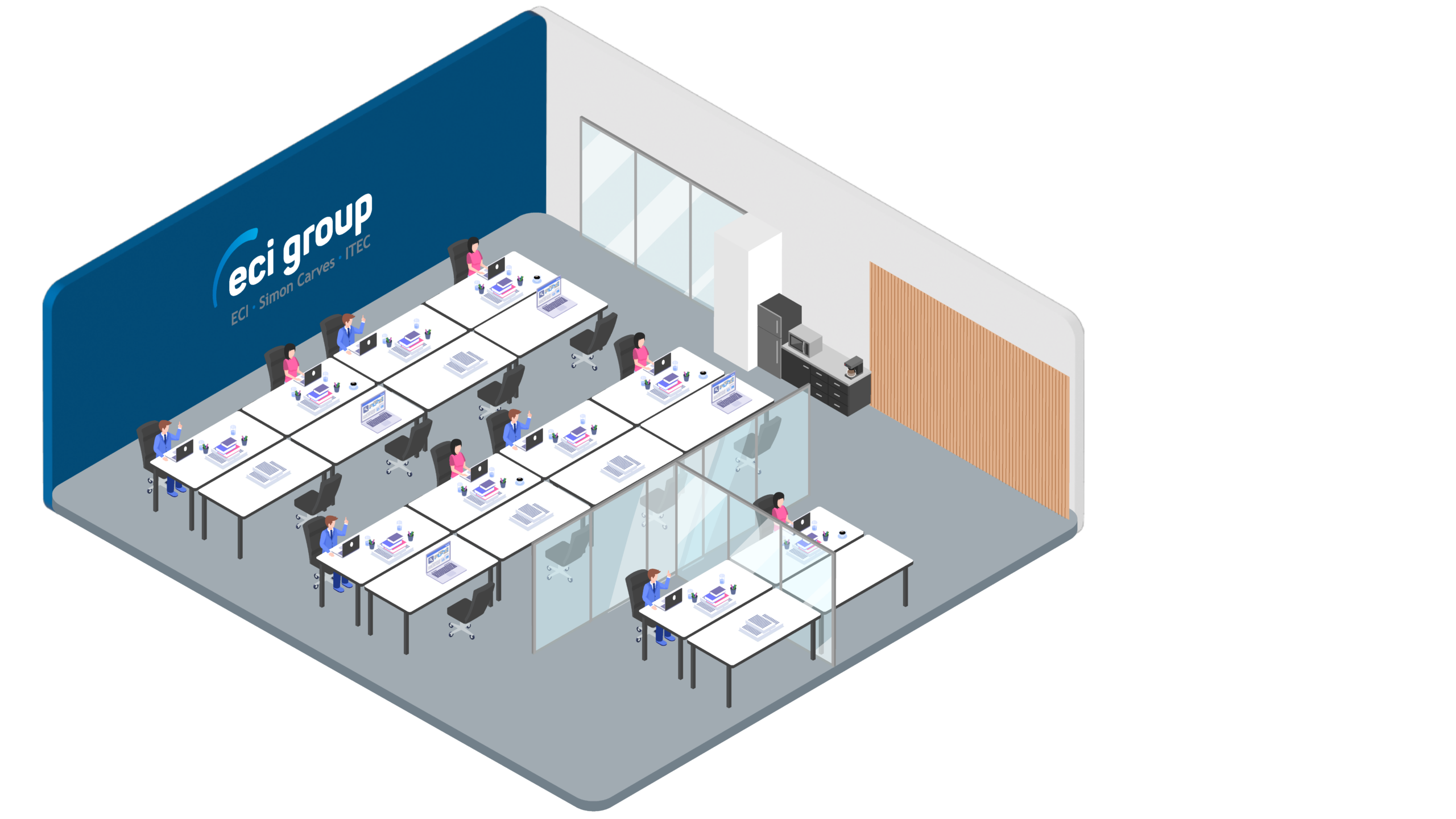
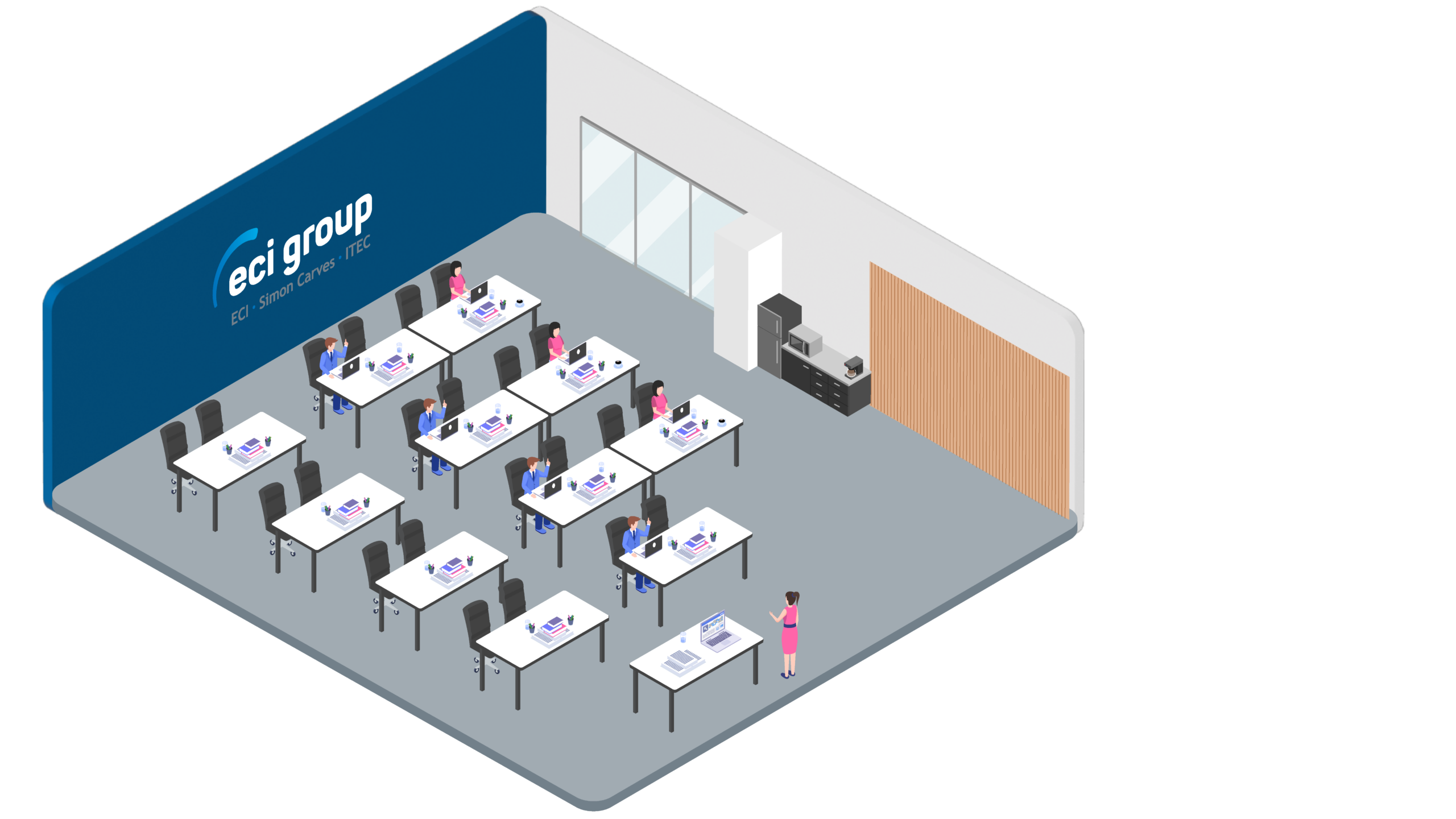
ECI Group’s Manchester office has been expanded to include a new executive workspace for connecting with our colleagues, clients, and partners. The new boardroom, dubbed the ‘Connect Space’, is fully flexible and configurable, ideal for hosting:

  • Executive and leadership meetings
  • Training sessions and workshops
  • Project task forces and focused working sessions

Located close to Manchester Airport, the Connect Space offers convenient access for colleagues working with clients and suppliers across the UK and around the world.

Outfitted with state-of-the-art communication technology, we can also facilitate remote participation—making it easier for our colleagues, clients, and suppliers to work together efficiently.

Built for collaboration. Designed to deliver.

A fully flexible and re-configurable space ideal for:
  • Boardroom & Meetings
  • Training & Workshops
  • Task Forces & Project Areas

Continue reading

2nd US High Pressure Maintenance Workshop

2nd US High Pressure Maintenance Workshop

News    ⋅    2nd US High Pressure Maintenance Workshop    ⋅   30 April, 2026

2nd US High Pressure Maintenance Workshop

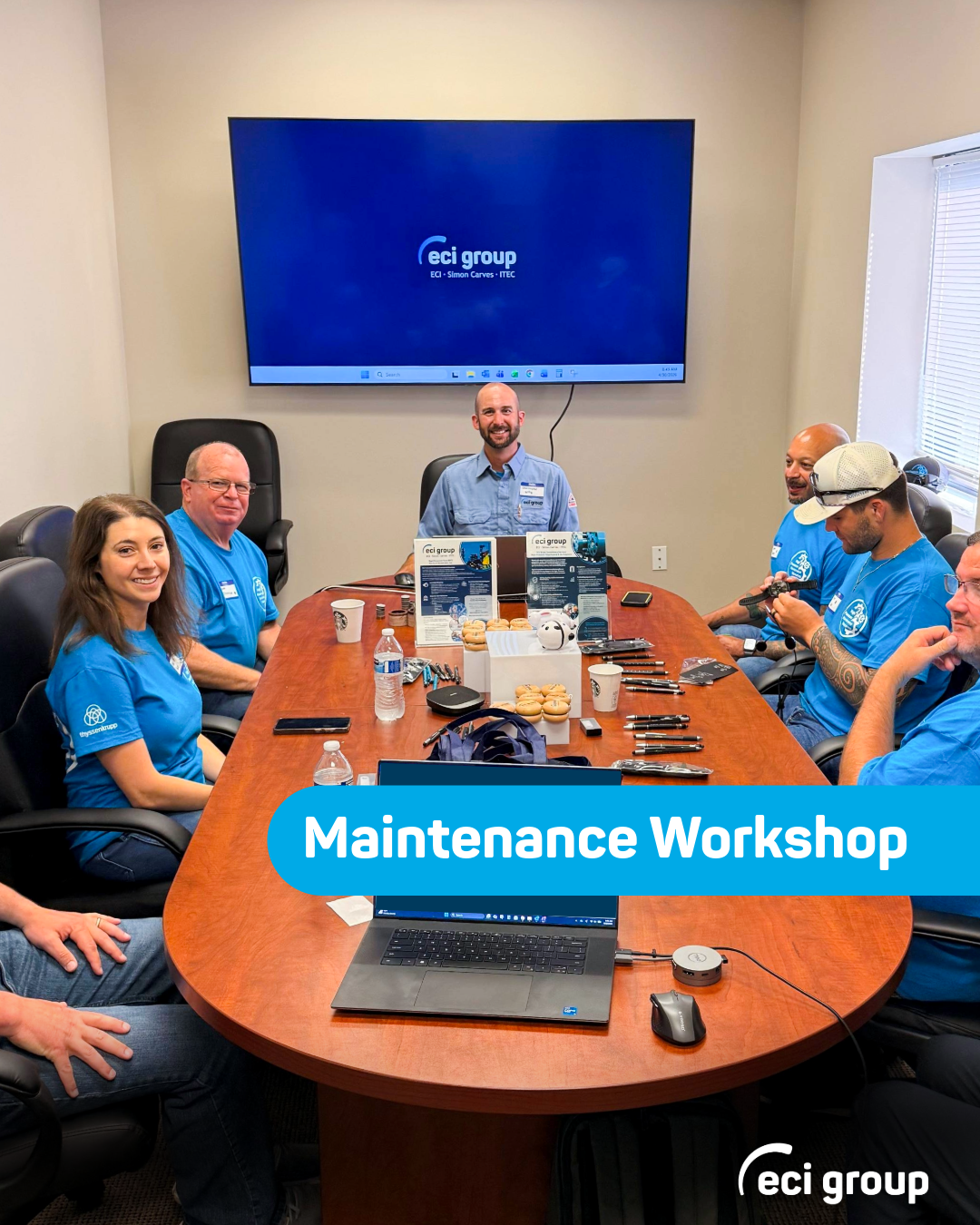
ECI Group was once again delighted to attend and sponsor the second US High Pressure Maintenance Workshop. Organised by Uhde High Pressure Technologies, the conference took place in Houston, Texas between the 29th and 30th April 2026.

Equipment suppliers and technology providers from across the high-pressure LDPE industry came together to share valuable case studies on LDPE related topics providing expertise and insights into key industry challenges and innovative solutions.

Rapid Response Team

One of the key themes of our discussions across the event was operators looking to prevent unexpected plant downtime. ECI Group was proud to introduce our Rapid Response Team (RRT): a new service ready to resolve critical plant issues and get production back online fast.

In a market where margins are tight and reliability matters, every hour offline means lost revenue, missed commitments, and operational risk. That’s where ECI Group’s RRT comes in. For an initial scoping and consulting discussion at no cost, contact us today.

Maintenance Internals

On Day 2 of the event, ECI Group’s Mechanical Engineering Subject Matter Expert, Chris Willy gave a presentation about Maintenance & Reliability Improvements for operating polyethylene plants.

Chris’ presentation highlighted the importance of:

  • Program definition & implementation
  • Program audits & specific issue resolution
  • Maintenance, reliability programs, and operations target alignment

 For more information about maintenance & reliability improvements, contact our team of experts to discover how ECI Group can protect your production and improve your profitability.

Training Modules

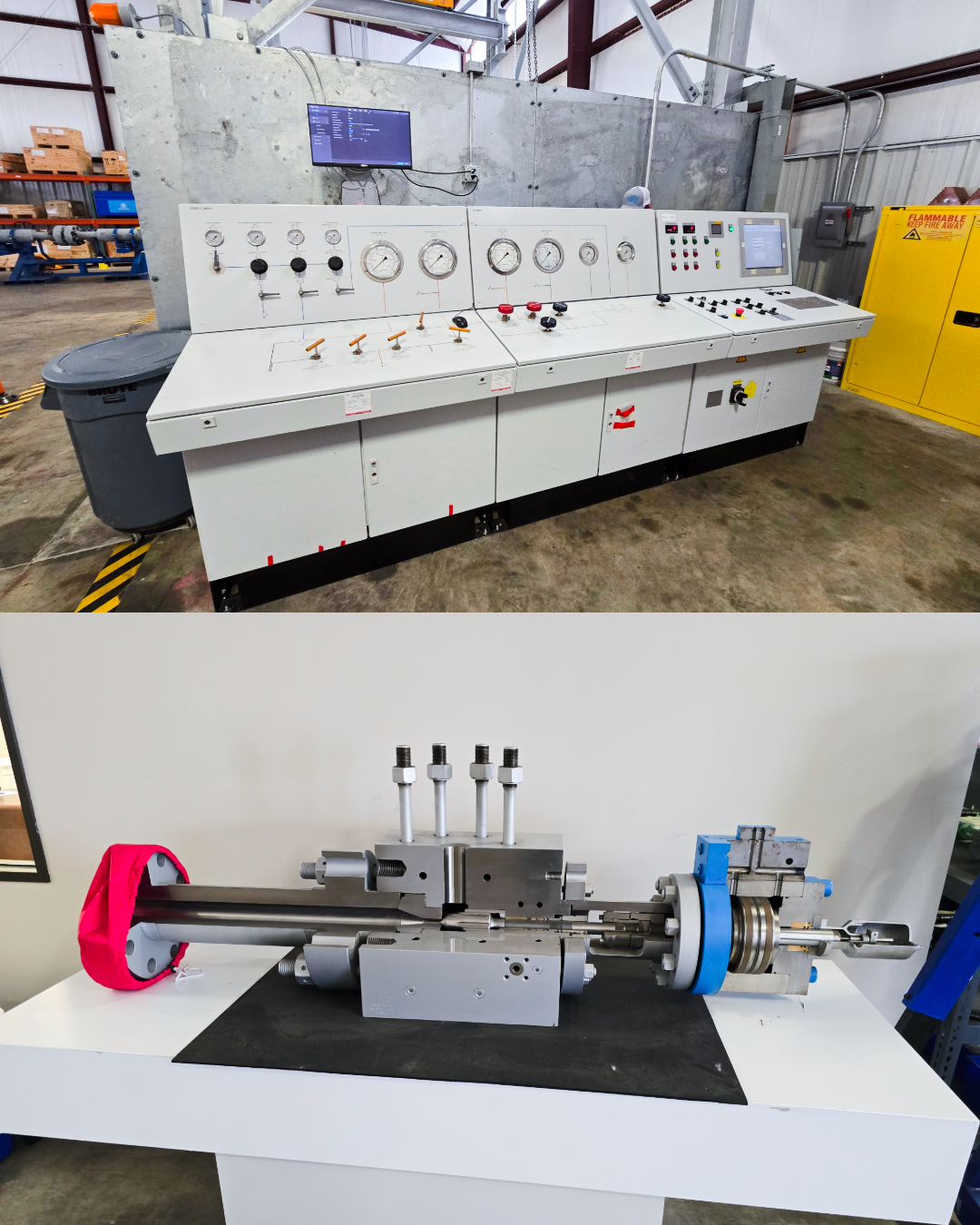
As well as insightful case studies, the workshop included training modules that covered key areas including, lens ring flange connection assembly, rupture disk training, and injection pump hydraulic system adjustments.

The workshop was a huge success. The training sessions allowed for in-depth discussions and practical applications of the topics presented, and it was great to network with key players from across the LDPE industry.

We’re looking forward to attending more High Pressure Maintenance Workshops in the future!


For more information on ECI Group’s high-pressure capabilities, or the services offered by our Consultancy and Rapid Response Teams, please don’t hesitate to contact us.

Continue reading

Introducing ECI Group’s Rapid Response Team

Rapid Response Team

News    ⋅     Rapid Response Team    ⋅     April 7, 2026

When Downtime isn’t an Option: Introducing ECI Group’s Rapid Response Team (RRT)

Unplanned downtime is one of the costliest challenges facing polyolefin producers today. In a market where margins are tight and reliability matters, every hour offline represents lost revenue, missed customer commitments, and increased operational risk.

To meet this challenge head‑on, ECI Group is proud to introduce our Rapid Response Team (RRT)—a new service ready to help plants stabilize operations, recover quickly, and return to safe, efficient production.

A Growing Challenge for Today’s Plants

Across the global polyolefin industry, ECI Group has seen a clear trend emerge—particularly in older production facilities.

Many plants are operating with:

  • Incomplete or outdated documentation
  • Loss of institutional knowledge due to retirements and workforce changes
  • Limited access to experienced technical specialists
  • Increasing pressure to improve production, reliability, and margins

When incidents occur, these gaps can slow troubleshooting, complicate decisionmaking, and extend downtime far beyond what is acceptable in todays market.

Contact the RRT

ECI Group Rapid Response Team (RRT).
When downtime isn’t an option.

Rapid Response, Built on Experience

ECI Group’s Rapid Response Team is designed to address exactly these scenarios.

From the moment we engage, our experts work alongside your team to stabilize operations, rebuild process understanding where needed, and accelerate recovery—often under intense time pressure.

Our RRT capability includes:

  • Immediate response to critical plant issues
  • Global on‑site mobilization
  • Round‑the‑clock remote technical support

This is not a generic troubleshooting service. RRT is delivered by experienced Subject Matter Experts with deep hands‑on operational knowledge, capable of working effectively in complex, time‑critical environments.

Supporting Legacy Plants and Modern Operations Alike

While RRT is highly effective during emergency situations, we also help plant operators uncover opportunities for process optimization and reliability improvement—especially in legacy plants.

We help clients:

  • Re‑establish process fundamentals
  • Identify hidden production constraints
  • Improve operating discipline and stability
  • Reduce recurrence of chronic issues

Importantly, ECI Group supports a wide range of polyolefin processes and product grades across multiple licensors and technologies.

Partnership You Can Trust

True rapid response requires trust.

That’s why, in the spirit of partnership, ECI Group may begin critical‑path activities in good faith, allowing recovery efforts to proceed while purchase order details are finalized. This approach minimizes delays, keeps teams aligned, and ensures focus remains on what matters most—restoring production safely and efficiently.

Protect Your Production. Protect Your Profitability.

Downtime—whether caused by failures, lost knowledge, or operational complexity—doesn’t have to define your plant’s performance.

If you’re facing moderate to severe operational challenges, or simply want a trusted partner ready when things don’t go to plan, ECI Group’s Rapid Response Team is here to help.

Contact us for an initial scoping and consulting discussion at no cost. 

Visit our RRT page to learn more: https://ecigrouponline.com/rrt/

Contact the RRT

ECI Group Rapid Response Team (RRT).
When downtime isn’t an option.

Continue reading

LDPE Plant Improvement Conference 2026 Announcement

LDPE PIC 2026 – Shanghai

News    ⋅     LDPE PIC 2026 Announcement

LDPE Plant Improvement Conference 2026

ECI Group is proud to once again be a Platinum Sponsor of Uhde’s 19th LDPE Plant Improvement Conference, taking place in Shanghai on 15-17 June 2026.

Join us for exclusive presentations, workshops, one-to-one discussions and networking opportunities focused on the operation, maintenance and continuous improvement of high-pressure LDPE and EVA plants.

ECI Group will be delivering both a presentation and a detailed workshop during the conference, and will also be available for one-to-one meetings to discuss how we can support your plant. Keep your eyes peeled for more details coming soon.

Registration for the conference is now open: https://www.ldpeconference.com/

We hope to see you there!

Graphic announcing ECI Group sponsorship of LDPE PIC 2026

Continue reading

Celebrating 70 Years of Polymer Engineering

70 Years of Polymer Engineering

News    ⋅     70 Years of LDPE    ⋅     January 8, 2026

Celebrating 70 Years of Innovation in Polymer Engineering

2026 marks 70 years since Simon Carves was awarded its first LDPE contract—a milestone that set the foundation for our world-class polymer projects across the globe. For seven decades, we’ve combined engineering excellence with technical expertise to deliver solutions that shape the future of polymers.

Today, with our proprietary Hybrid HPPE Technology, ECI Group continues to lead the way—supporting both new-build facilities and performance optimization for operating plants.

Take a couple of minutes to discover our journey and the evolution of polyethylene.

Continue reading

NZRCC EPDP Review

NZRCC EPDP Review

News    ⋅     EPDP Review     ⋅     December 12, 2025 

Sinopec’s NZRCC Team Visited ECI Group’s Manchester Office for EPDP Review

We were delighted to welcome the project team from Sinopec’s Ningbo Zhenhai Refining & Chemical Company (NZRCC) and representatives from DPEC to our Manchester office this week.

The visit marked a major milestone: the successful review of the Extended Preliminary Process Design Package (EPDP) for NZRCC’s new 200kta EVA/LDPE plant.

This project leverages ECI Group’s proprietary hybrid reactor technology to deliver a world-class facility capable of producing 200kta of LDPE, EVA, and other high-value copolymers. Located in Ningbo’s Zhenhai District, Zhejiang Province, the plant will play a key role in NZRCC’s large-scale ethylene and downstream development strategy.

Completing the EPDP will enable us to move into the next phase: commencing detailed design whilst continuing the vital long-lead equipment process.

Combining the EPDP with the technology license package is unique to ECI Group’s offering. By combining cutting-edge technology with expert know-how, this integrated approach accelerates project delivery and ensures a comprehensive understanding of the technology throughout the design phase.

We are proud to support NZRCC on this journey and look forward to continuing our collaboration through the EPC and start-up phases.

Computational Fluid Dynamics model (heat map of liquid flow)

Continue reading